

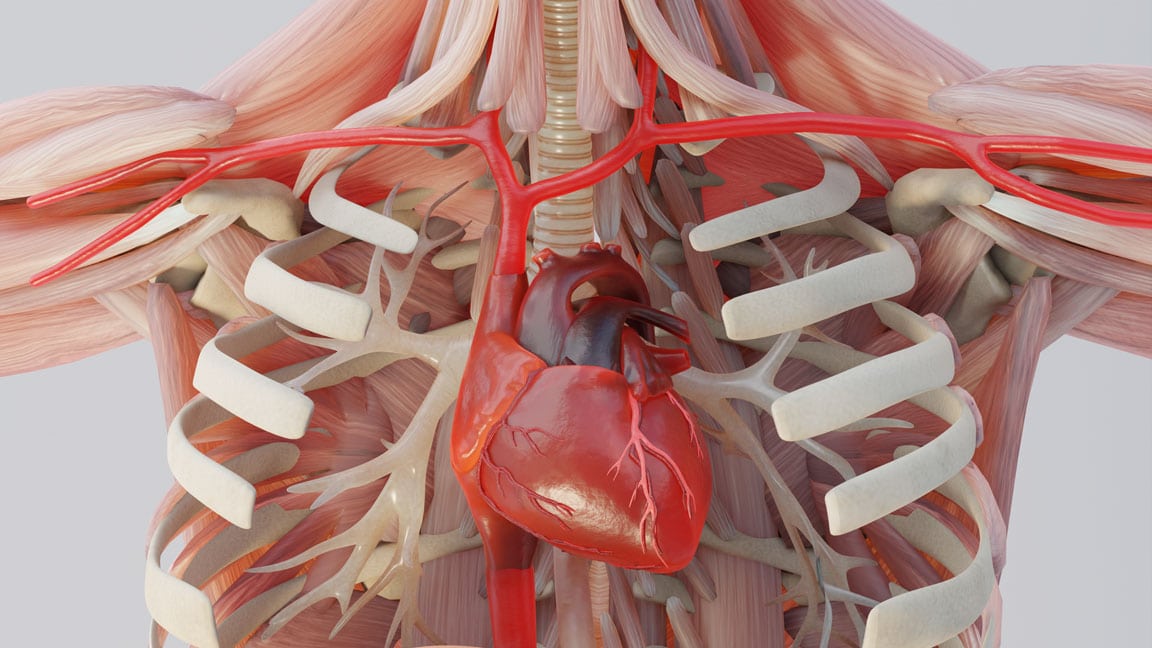

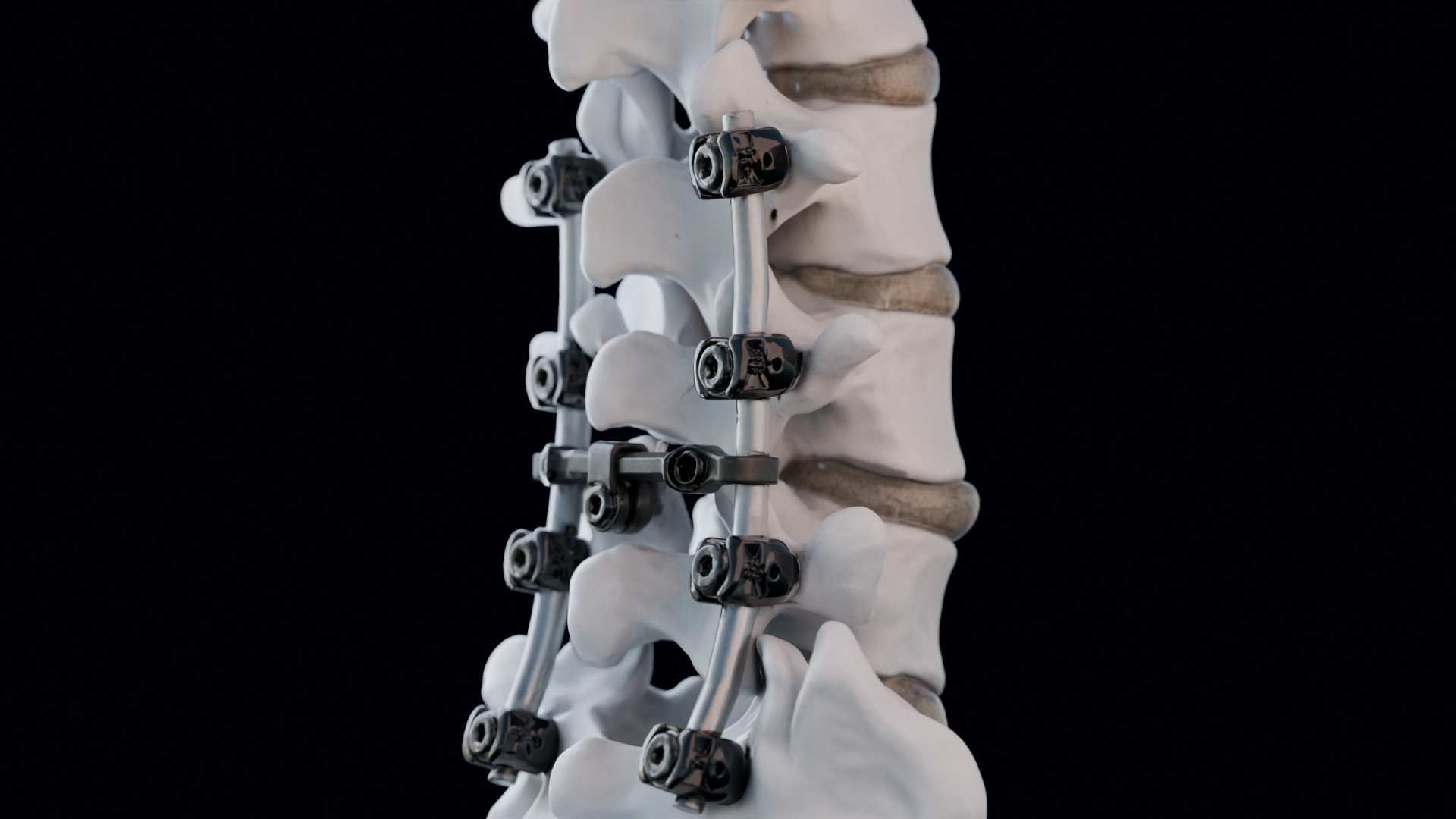
A jury can’t award damages for an injury it can’t picture.
Operative notes and radiology reports don’t show a jury what happened inside your client’s body, or what should have happened instead. Clinician-directed animation does, built from your client’s own records and scans.

Surgical errors: should vs did
The procedure done to the standard of care, then what the records show happened. Kyphoplasty cement leaks and more.
See how it works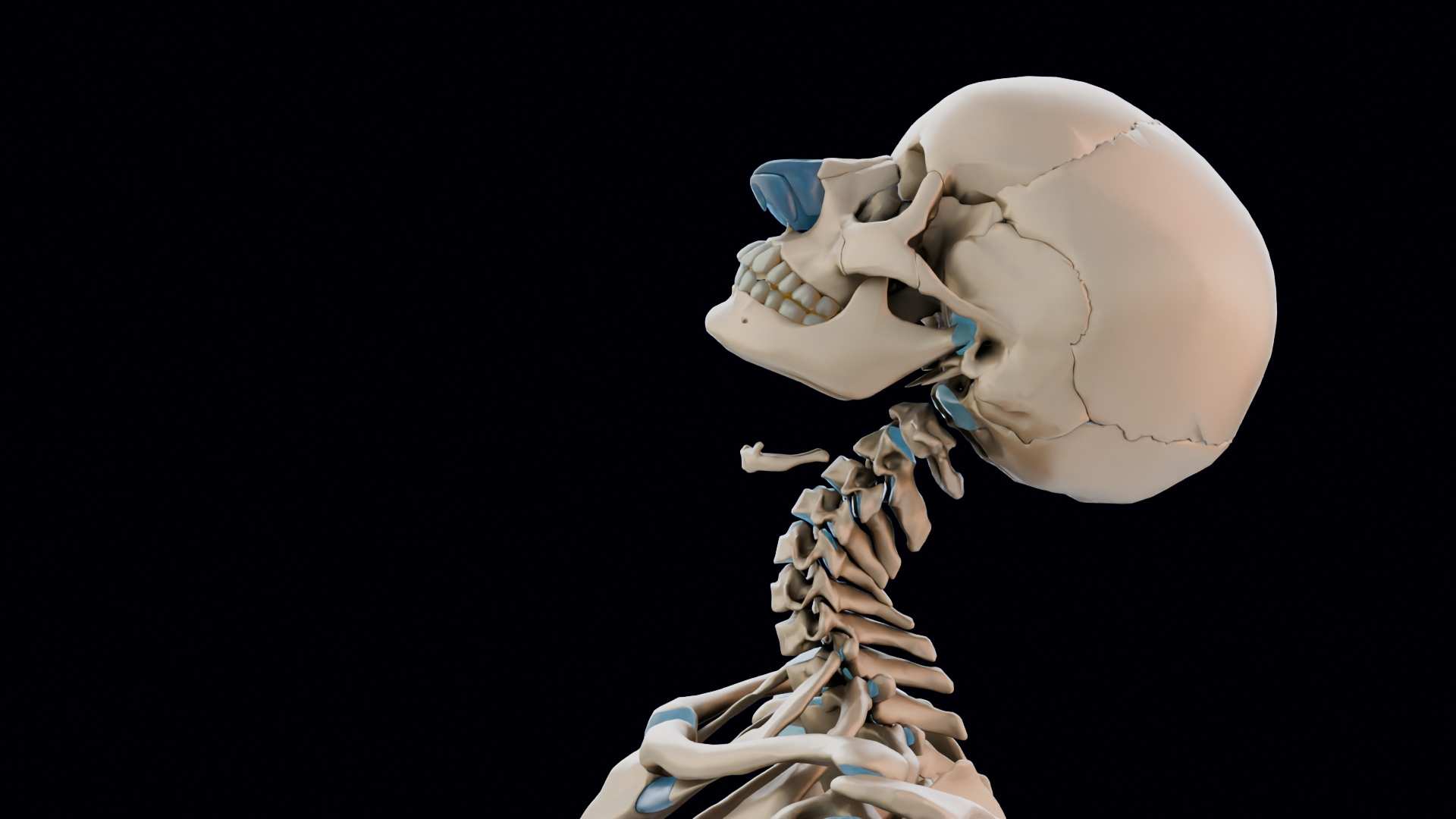
Spine injury & fusion
From the mechanism to the herniated disc, and every step of the ACDF or fusion your client had.
See how it works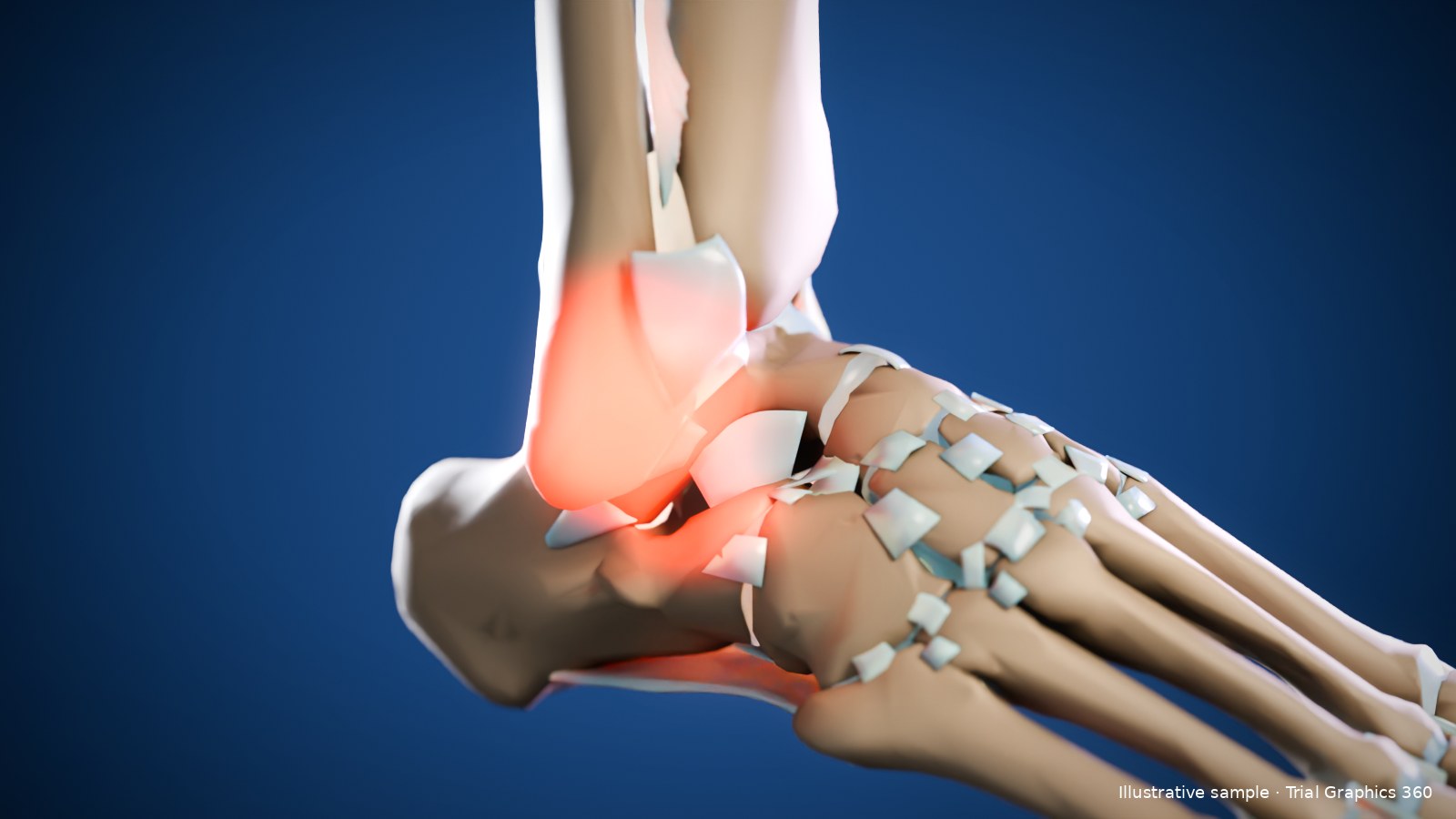
Fractures & ORIF
The break, the reduction, and every plate and screw placed where the post-op films put them.
See how it works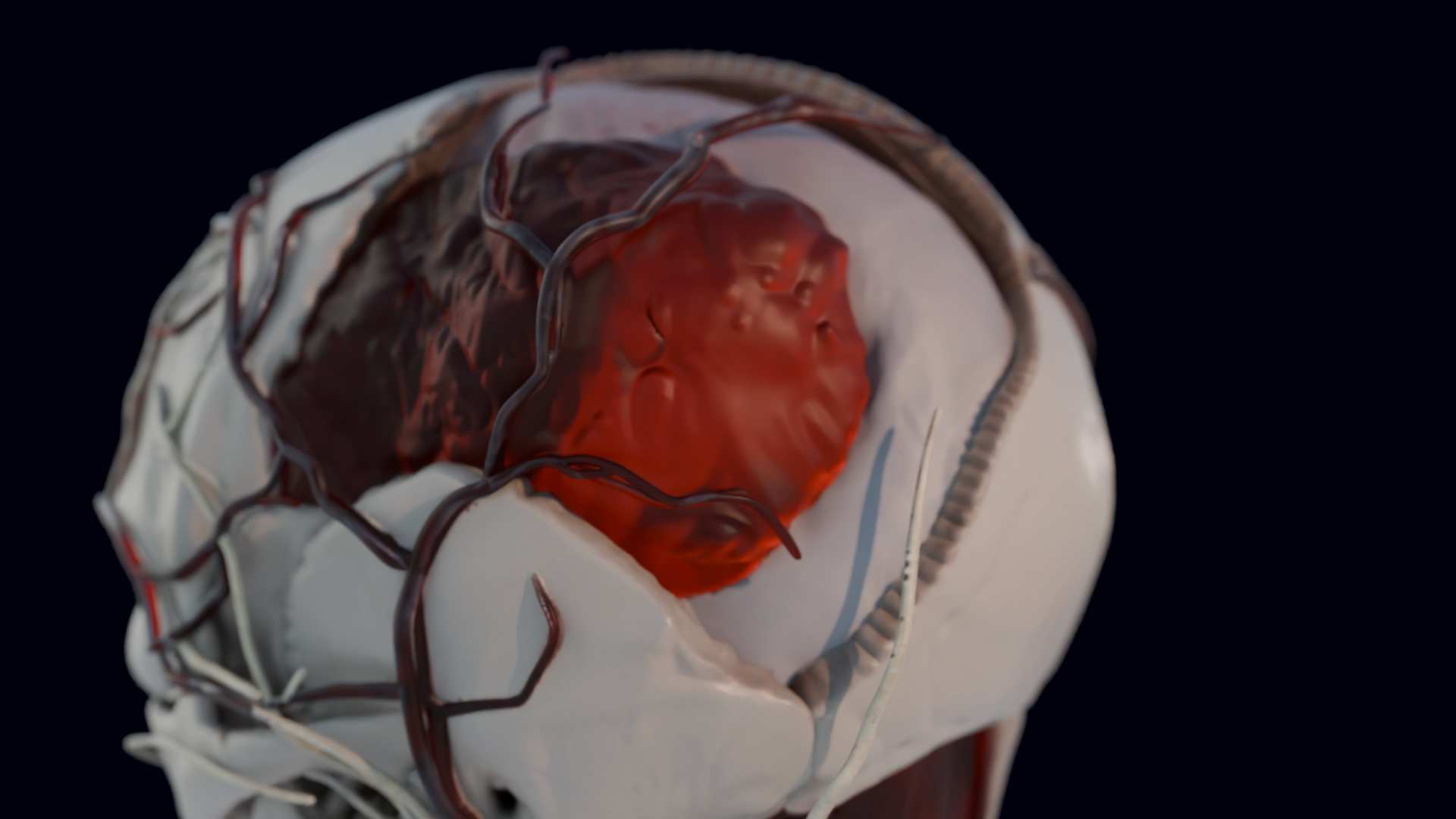
Missed diagnosis on imaging
Your client’s own MRI or CT rebuilt in 3D, scan by scan, so the jury sees what was visible and when.
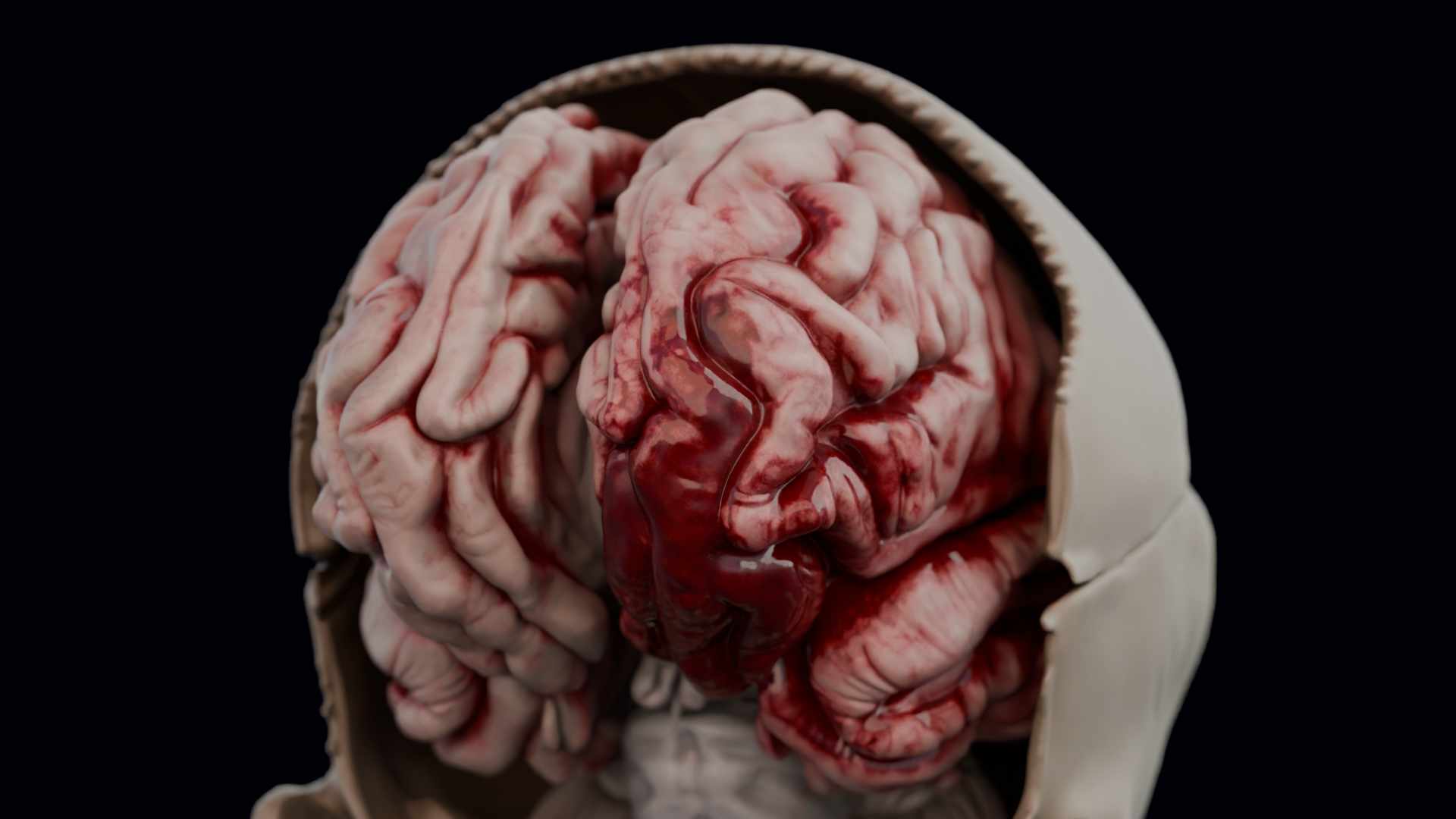
See how it worksAlso: medical malpractice, traumatic brain injury and birth injury.
See it in motion
Medical animation that holds up when the other side looks for holes


Why clinician-directed
Built by someone who reads the op note the way your expert does
Record-based detail
Which side a needle went in, where each screw sits, what a radiologist could see on a given slice. Taken from the records, not assumed.
Nothing the records don’t support
If the records don’t establish a cause, we don’t animate one. Anything illustrative is labelled; devices are generic and unbranded.
Expert review at every stage
Your expert checks the animation as it is built and before it is disclosed, with source notes to lay the foundation at trial.
How it works
From Records To Courtroom, On Your Deadline
- Step 01
Send the records
Op notes, imaging (DICOM if you have it), expert report and your dates.
- Step 02 · 12 hours
Visual plan and fixed fee
A shot-by-shot plan and a fixed price, before any work starts.
- Step 03
Build and expert review
Your expert checks each stage before anything is disclosed.
- Step 04
Delivered for mediation or trial
Video, stills and exhibit boards, with source notes for admissibility.
What We Need To Start
- Operative notes and treatment records
- Imaging, ideally the DICOM files
- Radiology reports
- Your expert’s report
- Your mediation and trial dates
Send the records. Get a visual plan and fixed-fee quote within 12 business hours.
Free, with no obligation. Tell us your date first and we’ll tell you honestly what can be built in time.

Clinician-directed
Every animation is directed by Dr Kevin Ho, who reads the op note the way your expert does.
Our medical work has been published alongside Harvard Medical School and Sanofi.
Common Questions
Will a medical animation be admitted?
Courts admit demonstrative animations that fairly and accurately illustrate a witness’s testimony. Every element we build is tied to a record or to your expert’s opinion, and we keep source notes so your expert can authenticate it. We build with Daubert and Frye challenges in mind.
Can you work from my client’s actual MRI or CT?
Yes. With the DICOM files we rebuild the anatomy from your client’s own scans. If you only have reports and key images, we can still build an accurate, record-based animation and label what is illustrative.
What does it cost?
Every project is quoted as a fixed fee before work starts, based on what the case actually needs. If full 3D is more than the case needs, we’ll say so and offer stills or a simpler sequence.
Do you work for the defense?
Yes. We build for plaintiff and defense firms, and the same rule applies to both: show what the records support.
How fast can you deliver?
You get a free visual plan and fixed-fee quote within 12 business hours. Delivery depends on scope and your mediation or trial date, and we’ll tell you up front if a deadline is tight.