

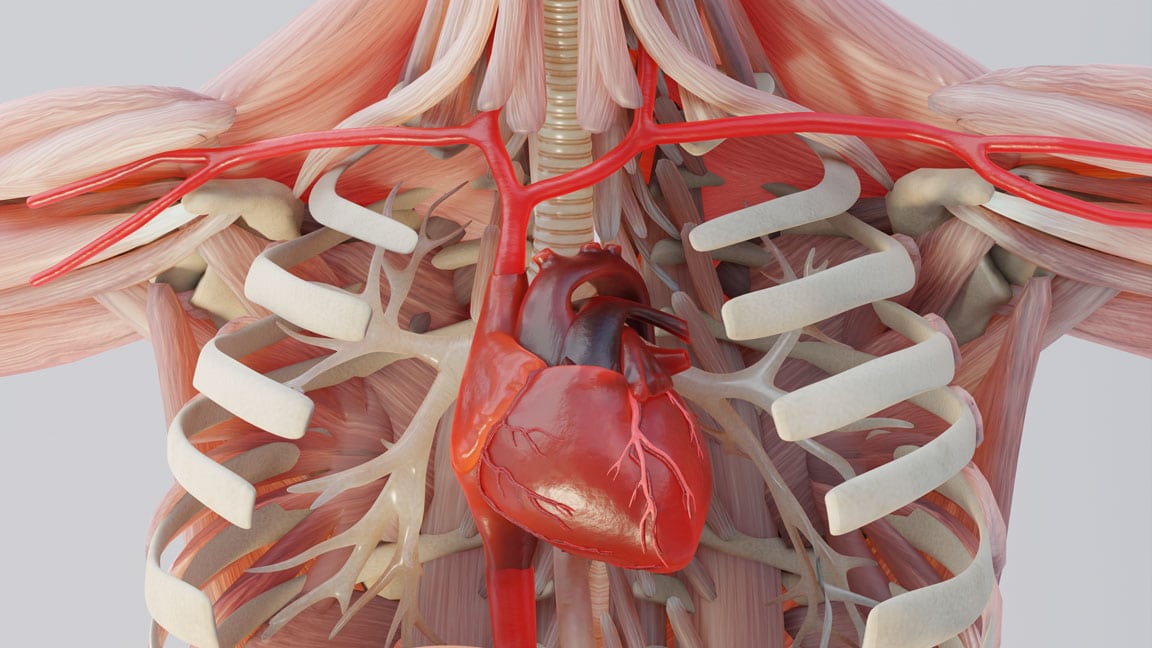

Birth injury cases are the highest-value, highest-emotion cases in litigation. The jury needs to understand the medicine before they can deliver justice. We make sure they do.


Brachial Plexus, Shoulder Dystocia & Erb's Palsy
Show the Jury the Exact Force That Tore the Nerve — and Why It Should Never Have Been Applied.
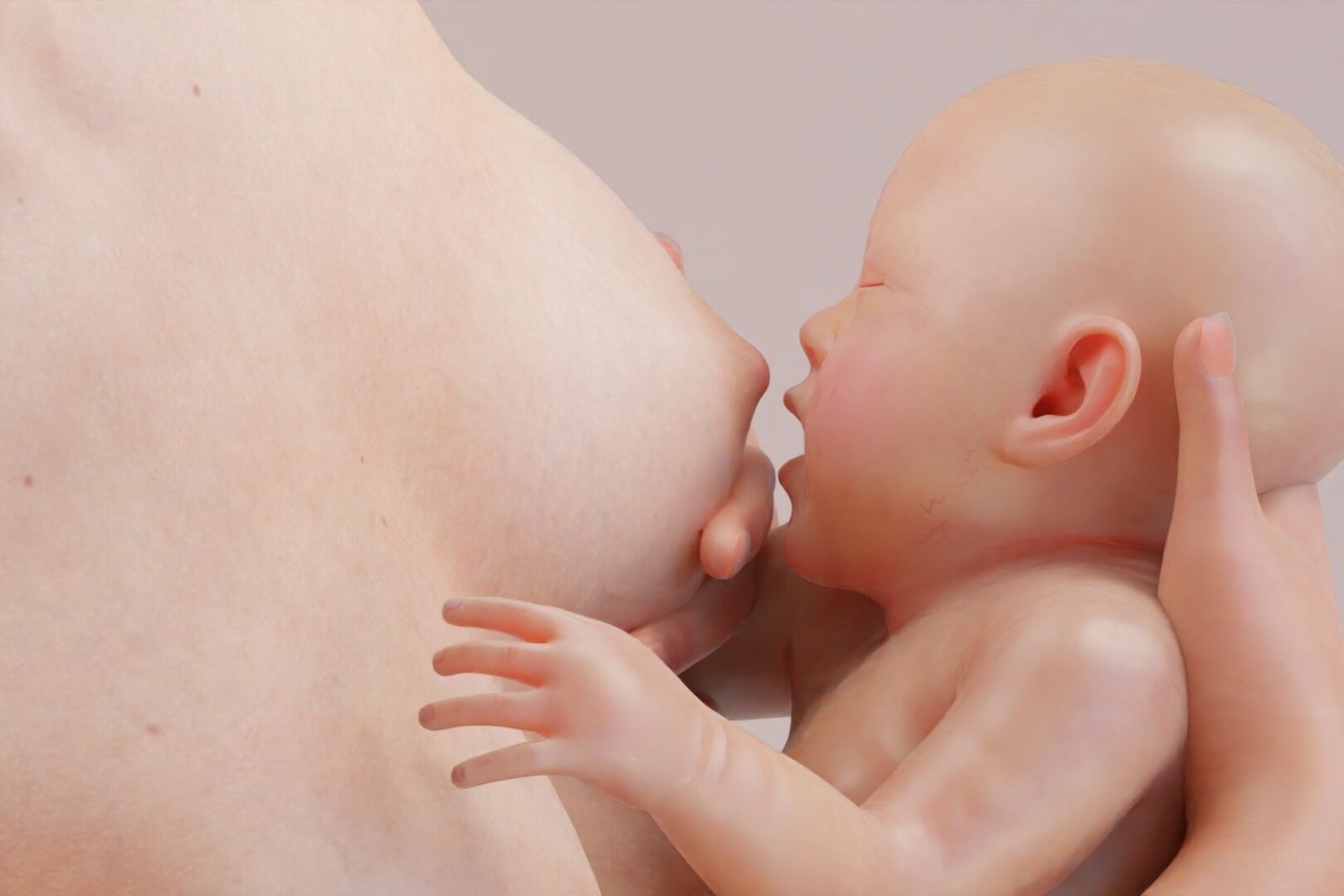
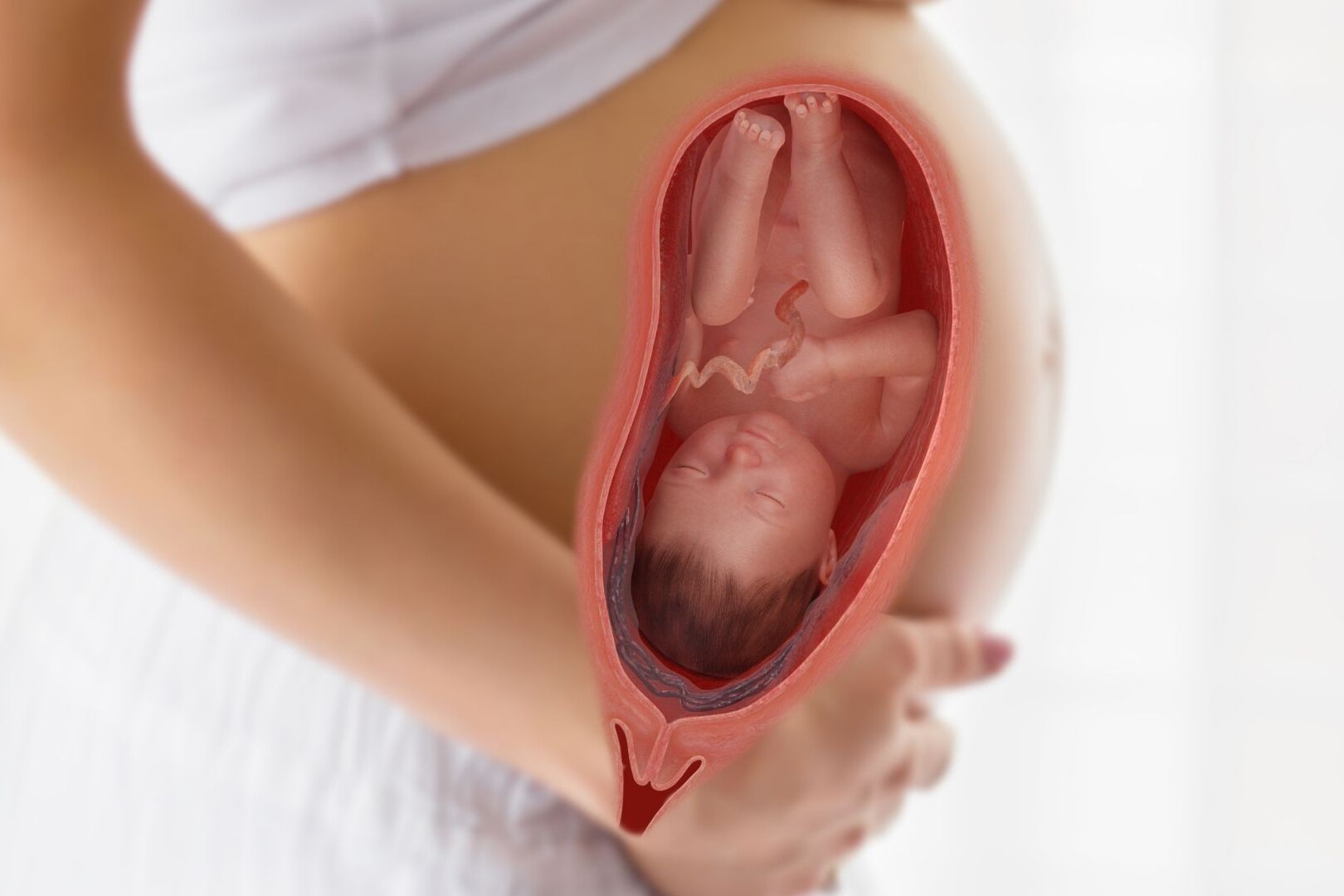
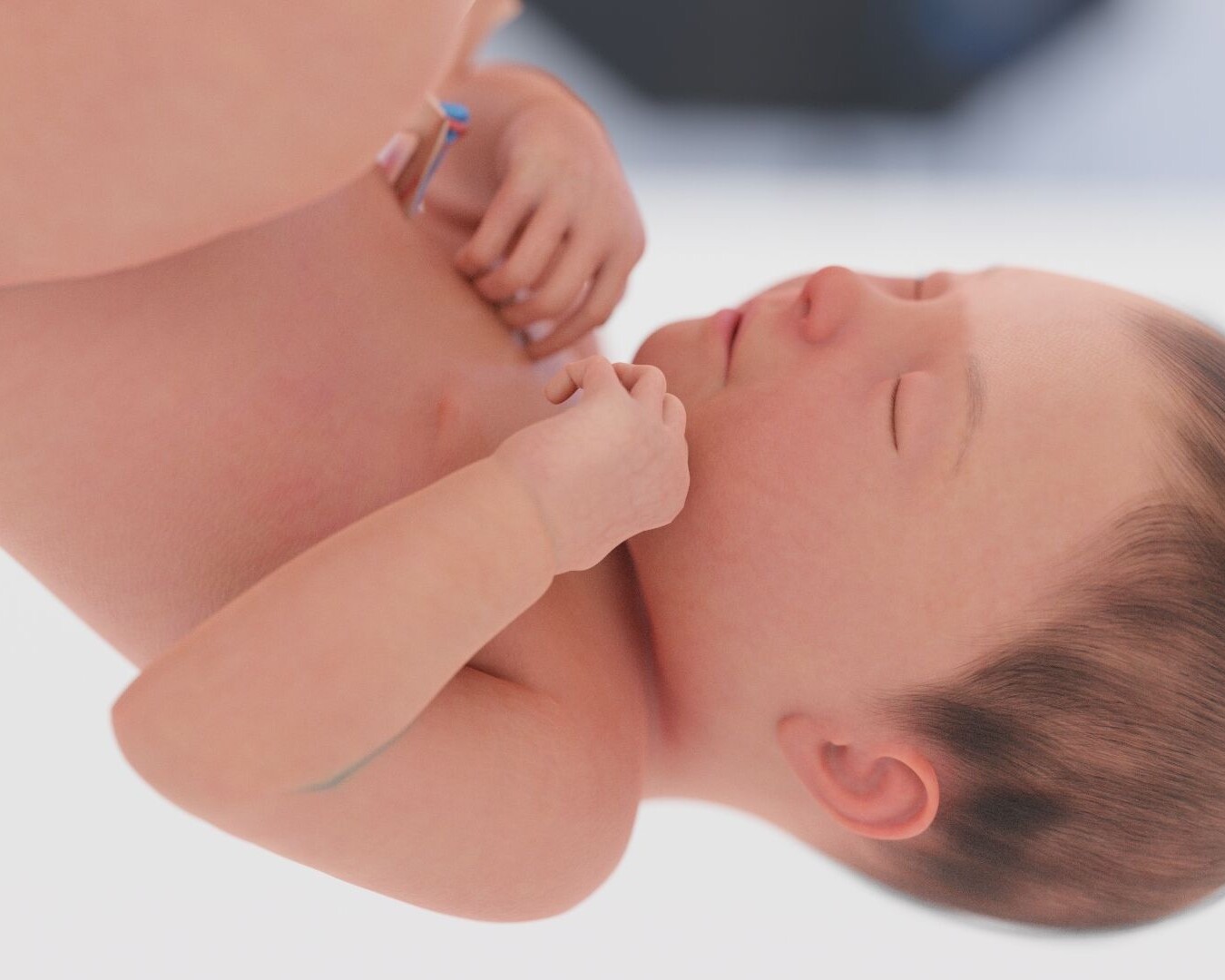
Shoulder dystocia and brachial plexus injuries are among the most vigorously contested birth injury claims. The defense argues the injury was unavoidable — an inherent risk of a difficult delivery. We reconstruct the exact vectors of traction and rotation applied by the delivering physician, frame by frame, against the accepted standard of care maneuvers — so the jury sees the difference between a complication and a deviation. Brachial Plexus & Shoulder Dystocia We reconstruct the specific direction, magnitude, and duration of traction force applied to the fetal head during shoulder dystocia — derived from the operative note, delivery records, and your expert's biomechanical opinion. The jury sees the force that caused the nerve avulsion, not just hears about it. Standard of Care Comparison Side-by-side animation of the accepted shoulder dystocia release maneuvers — McRoberts, suprapubic pressure, Woods screw, Zavanelli — versus what the delivering physician actually performed. The deviation from protocol becomes visually undeniable without a single technical word from the stand. Erb's Palsy & Permanent Deficit We animate the specific nerve roots of the brachial plexus that were damaged — C5, C6, C7, C8, T1 — showing the location and extent of the avulsion or stretch injury and linking it directly to the permanent functional deficits your client's child will carry for life. The damages are anatomically grounded, not just asserted.

Hypoxic-Ischemic Encephalopathy & Neonatal Brain Injury
Show the Jury What Oxygen Deprivation Did to Your Client's Child's Brain — and When It Happened.
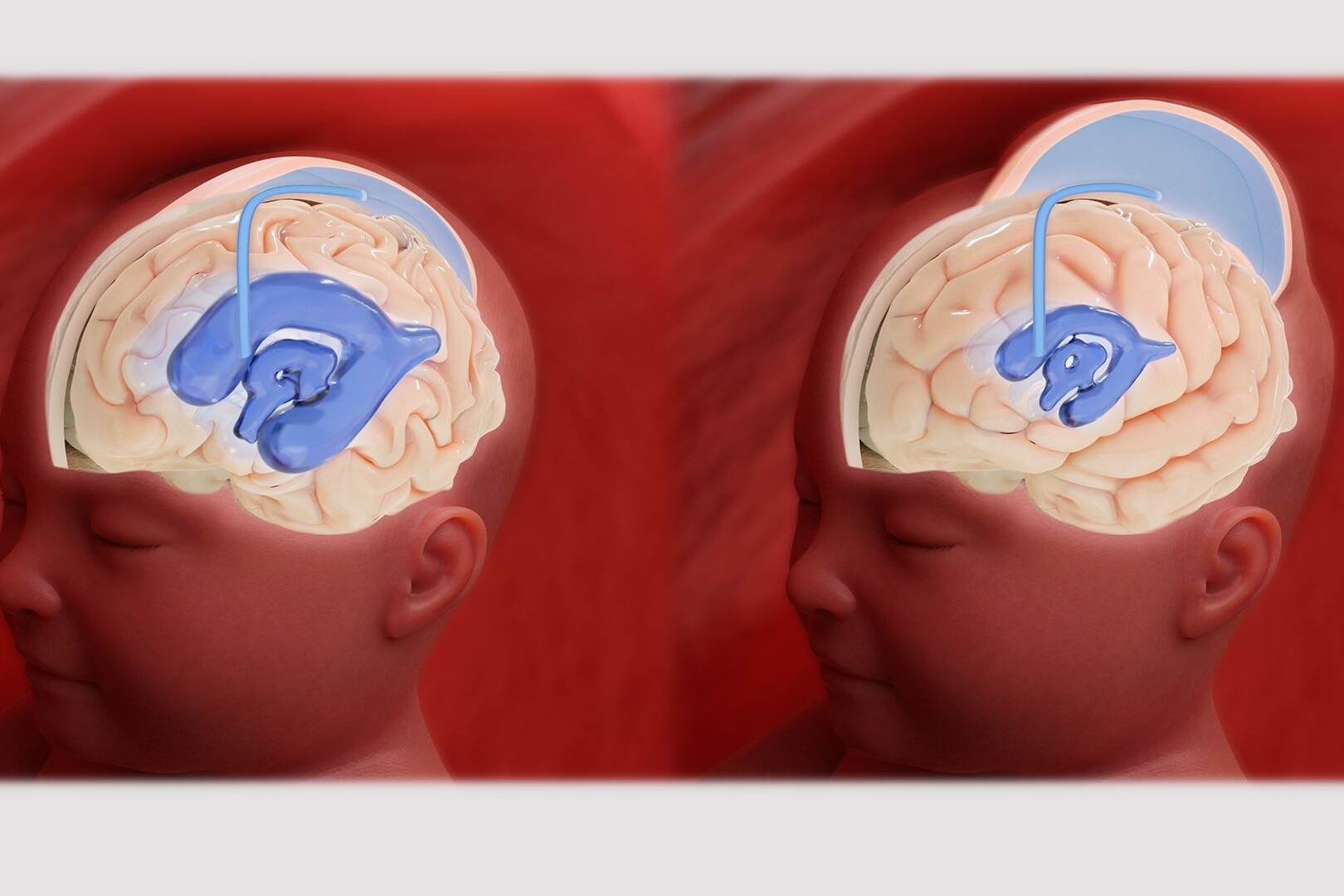
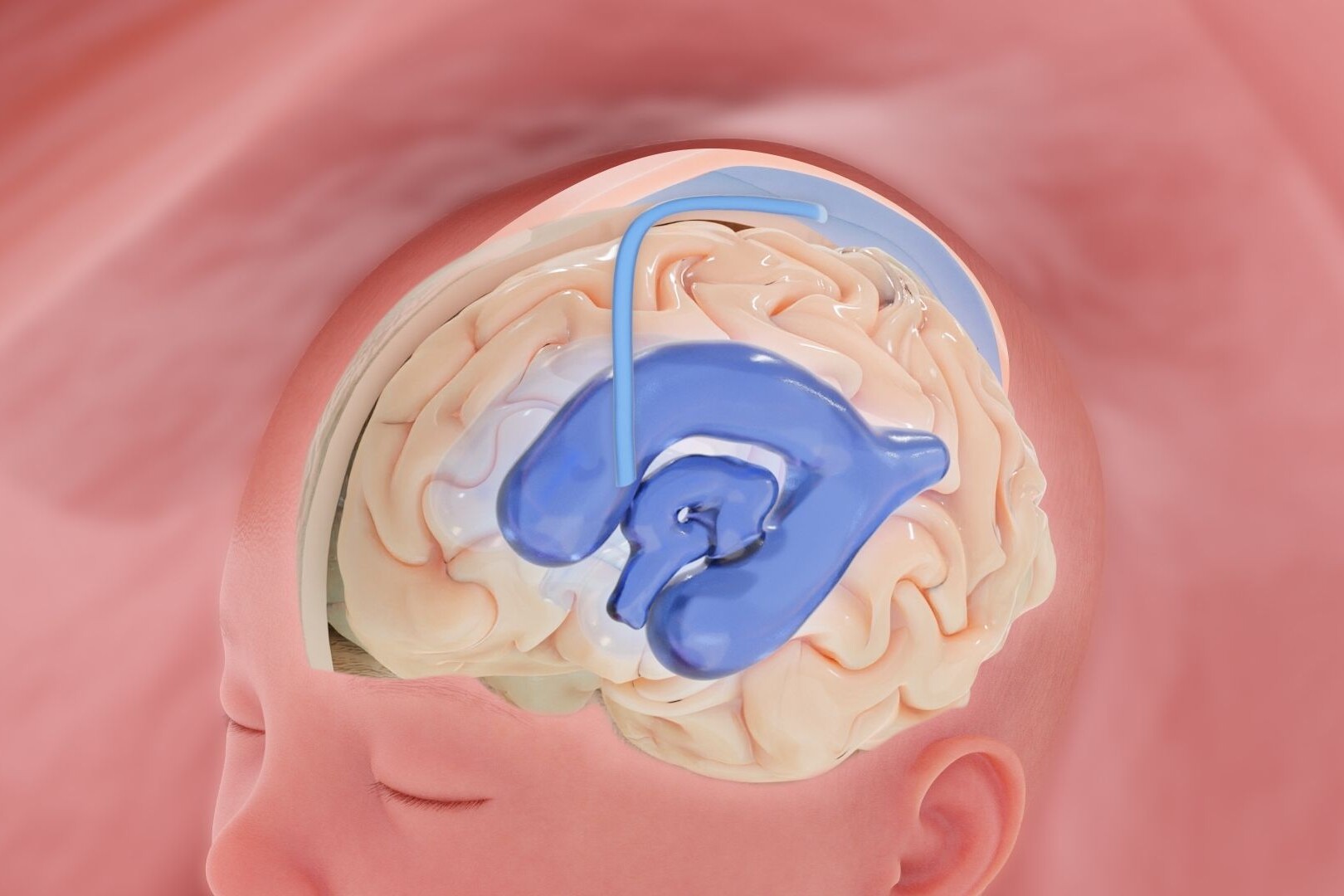
HIE cases require proving two things that are both invisible to a lay jury: that the brain was deprived of oxygen, and that it happened during a window when proper intervention would have prevented it. We build both — a patient-specific visualization of the brain injury itself, and a timeline showing the window during which the standard of care required action. HIE Visualization Using neonatal MRI and DTI data from your client's imaging, we render the specific areas of the brain affected by hypoxic-ischemic injury — the basal ganglia, thalamus, watershed zones, and white matter tracts — in a patient-specific 3D model that shows the jury exactly what oxygen deprivation looked like in this child's brain. Timing of Injury The most critical element in an HIE case is establishing when the injury occurred. We integrate the fetal heart rate monitoring strips with the clinical timeline — animating the progression of fetal distress, the window during which emergency C-section or intervention should have been performed, and the correlation between that window and the pattern of brain injury documented in the neonatal imaging. Fetal Monitoring Strip Interpretation We convert the fetal heart rate monitoring data into a visual narrative — showing the progression from normal baseline to late decelerations, prolonged bradycardia, and loss of variability — so the jury understands what the strip was telling the clinical team and why a reasonable OB would have acted when your expert says they should have.
Instrument-Assisted Delivery & Surgical Errors
Forceps, Vacuum, and C-Section Errors — Reconstructed With the Precision the Case Demands.
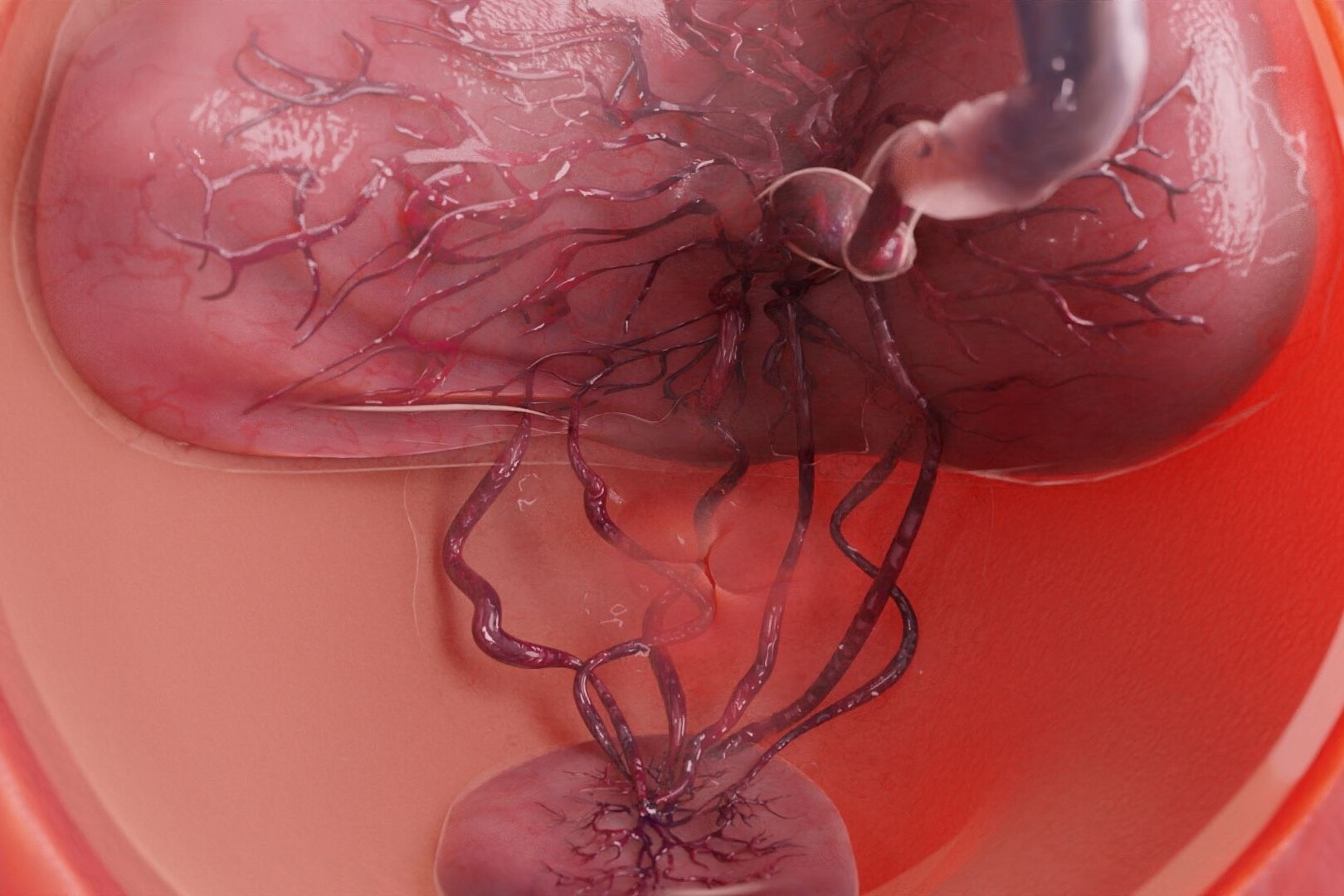
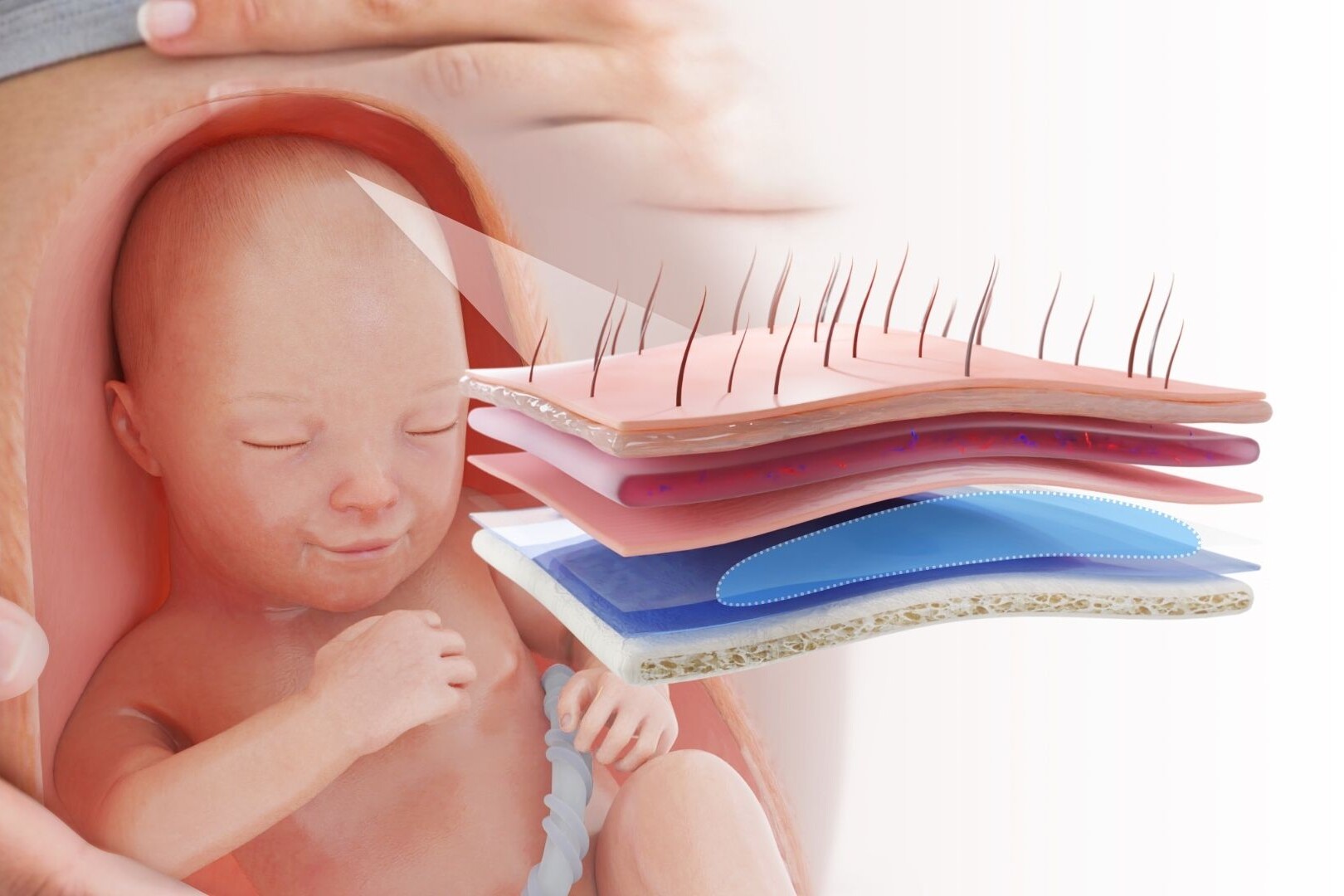
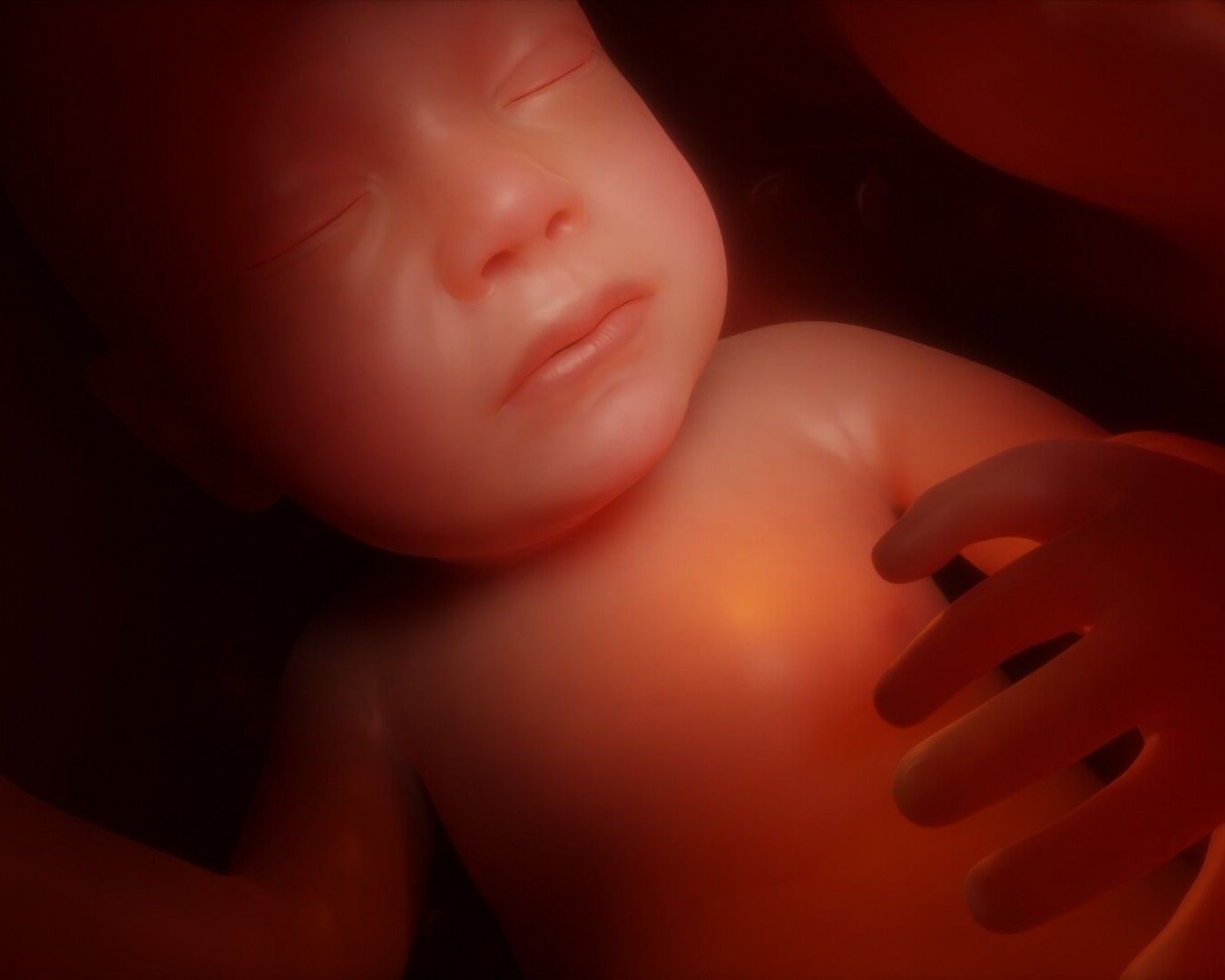
Instrument-assisted deliveries carry the highest risk of neonatal trauma and the most contested standard of care questions. We reconstruct the exact placement, angle, and force of forceps or vacuum application — and in C-section cases, the surgical technique itself — so the jury sees the specific decision that caused the injury, not just its consequence. Forceps & Vacuum Placement Precise 3D modeling of forceps blade or vacuum cup placement relative to the fetal skull — derived from delivery records and your expert's opinion — showing misapplication, improper rotation, or excessive traction that caused the intracranial hemorrhage, skull fracture, or nerve injury documented in the neonatal imaging. Intracranial Hemorrhage & Skull Fracture Neonatal DICOM-derived 3D reconstruction of subdural hematomas, epidural bleeds, and skull fractures caused by instrument-assisted delivery — showing the location, volume, and proximity to critical brain structures so the severity of the injury is visually undeniable. Failure to Progress & C-Section Timing We model the relationship between maternal pelvic anatomy, fetal positioning, and the progression of labor — animating the clinical picture at the point when your expert says a C-section should have been performed, and showing what continued vaginal delivery did to the infant in the interval the physician waited.
Dedicated Medical Experts For Every Case
Dr. Kevin Ho and his own team of medical experts collaborates directly with your experts for scientifically defensible, strategically aligned medical animations.
Technical Alignment
Every visual element is reviewed against expert reports, deposition testimony, imaging findings, and evolving case facts.
Built on Defensible Science
Animations are built using transparent reconstruction techniques that experts can confidently explain and defend.
Litigation-Focused Collaboration
We help translate highly technical medical concepts into clear visual narratives that resonate with judges, mediators, and juries.
We Stay With Your Case From First Filing to Final Verdict.
Medical negligence cases take years. Expert opinions evolve. New imaging comes in. The case theory shifts. We stay engaged for the full life of the case — refining, updating, and adapting your visual evidence at every stage.
Evolving Forensic Models
As new records, imaging, or expert findings emerge, we update the master 3D models to reflect the most current picture of the injury. Your animation never becomes a liability because it was built too early.
Ongoing Litigation & Deposition Support
We build animations to support long-term litigation — not a single courtroom moment. Demonstratives are adapted through discovery, expert depositions, mediation, and trial, keeping testimony consistent from beginning to end.
The Scientific Credibility Your Opposing Experts Will Recognize
Our work is published by the same institutions cited in medical literature and expert reports. That rigor is what makes our animations defensible — not just persuasive.









Why Top Law Firms Partner with Trial Graphics 360
Unmatched experience and clarity for your case's legal animations.
$100M+
Increased settlement value in high-stakes litigation.
Medically-Trained Animators
Board-certified specialists and former UBC professors ensuring medical accuracy for complex litigation.
Scientifically Published
Harvard, Stanford, and pharma-published expertise giving your case a distinct litigation edge.
Long Term Case Support
End-to-end case support, refining visuals as evidence evolves.
Common Questions About Birth Injury Animation
It is the central defense argument in every shoulder dystocia case and we address it directly. We reconstruct the exact traction vectors applied by the delivering physician and compare them side by side against the accepted shoulder dystocia release maneuvers your expert says should have been performed. The jury sees the difference between an unavoidable complication and a deviation from the standard of care — not just hears two experts disagree about it.
Yes — and this is often the most decisive visual in an HIE case. We integrate the fetal heart rate monitoring data with the clinical timeline and the neonatal brain injury pattern to show the jury the window during which the injury was occurring, when your expert says intervention was required, and why the pattern of injury documented in the MRI is consistent with that specific window. Timing is established visually, not just argued by experts.
Fetal heart rate monitoring strips, operative and delivery notes, neonatal imaging DICOM files, and your expert’s reports. For HIE cases, neonatal MRI with DWI sequences produces the most powerful exhibits. We work with whatever is available and advise on whether additional imaging or testing would strengthen the reconstruction before expert depositions.
Yes. Our methodology is fully documented — traction vector derivation, DICOM-derived neonatal anatomy, fetal monitoring interpretation standards, and peer-reviewed obstetric biomechanical literature citations are all recorded. Dr. Ho can provide a complete methodology report and your expert can defend every frame from the stand.
Most birth injury animations are completed in 4–8 weeks depending on the complexity of the delivery sequence and the volume of imaging data. Rush delivery is available — send us your mediation or trial date and we will confirm availability the same day.