

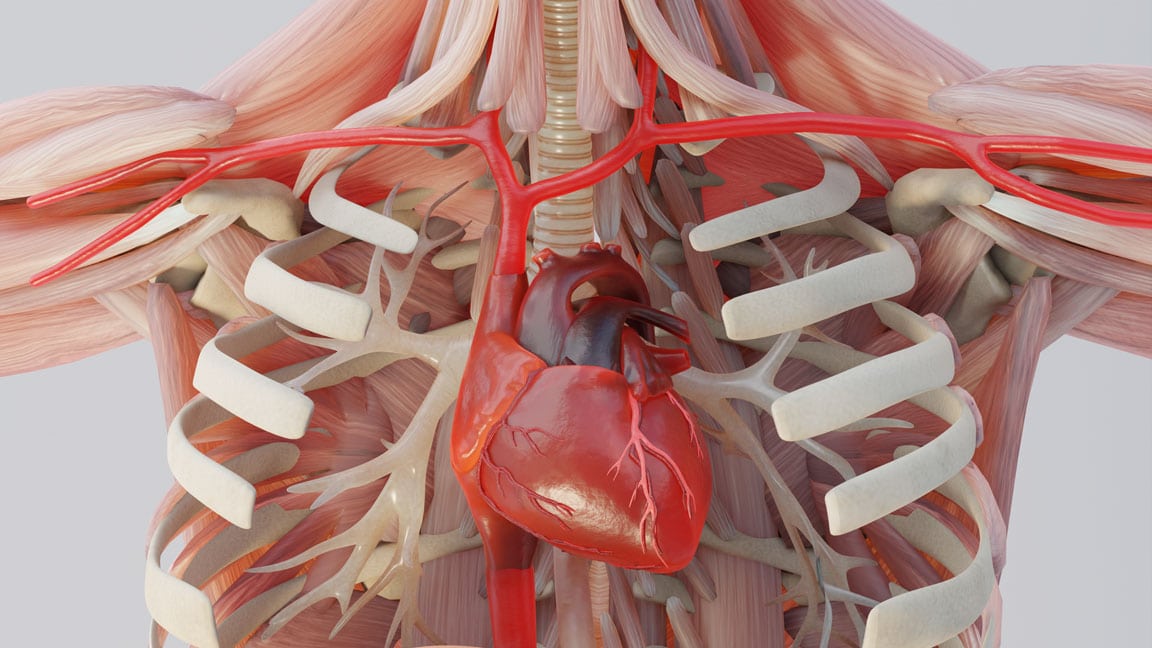

By trial, the hazard is usually gone. The animation is how the jury gets to stand where your client stood.
See It in Motion
From Your Client's Scans to a 3D Model the Jury Understands.
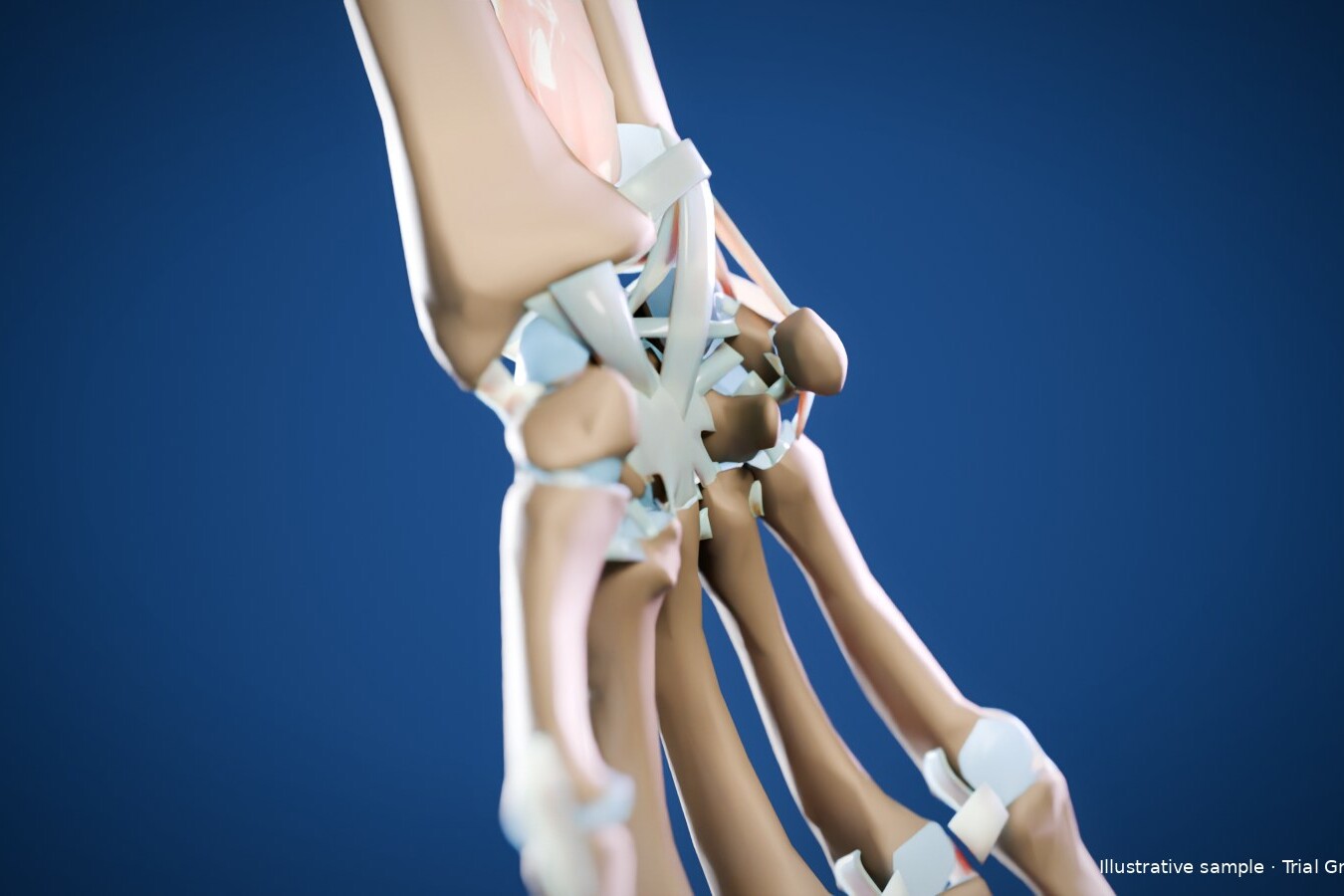
3D Reconstructions From CT and MRI Scans
How your client's own CT and MRI become a 3D model of the fracture and the repair.
3D DICOM Reconstruction for Litigators
Why building from the DICOM files, not stock anatomy, makes the evidence stronger.
The Scene & the Hazard
Rebuild the Stairs, the Floor or the Parking Lot Exactly as It Was on the Day.
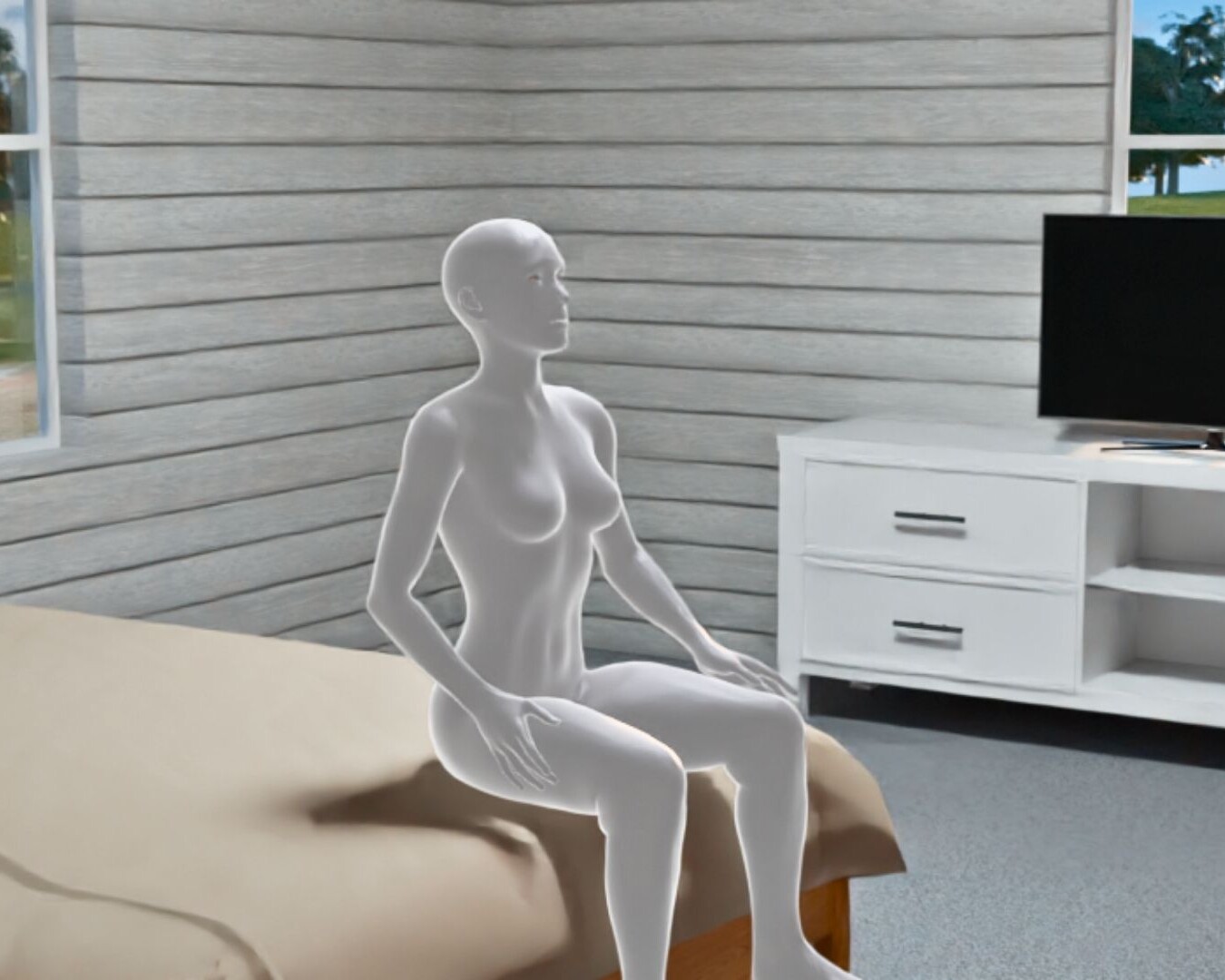
The defense will argue about what the scene looked like. We rebuild it to scale from the evidence, so the jury can judge the hazard for themselves.Scene Reconstruction
Built from incident photos, site measurements, inspection reports and surveillance video. Stair height and depth, handrails, floor surfaces, lighting and obstructions, shown to scale. Sightlines & VisibilityWhat your client could and couldn't see from their eye height and path of travel, so the jury can judge whether the hazard was really “open and obvious”. Surveillance Video MatchingThe animation lined up with the CCTV footage, frame by frame, so the jury sees the fall from angles the camera missed.
The Fall Itself
How the Body Moved — and Where It Struck.
Falls are over in seconds. We slow them down and show exactly how your client's body moved and what it hit, so the injuries make sense.Slip, Trip or Misstep
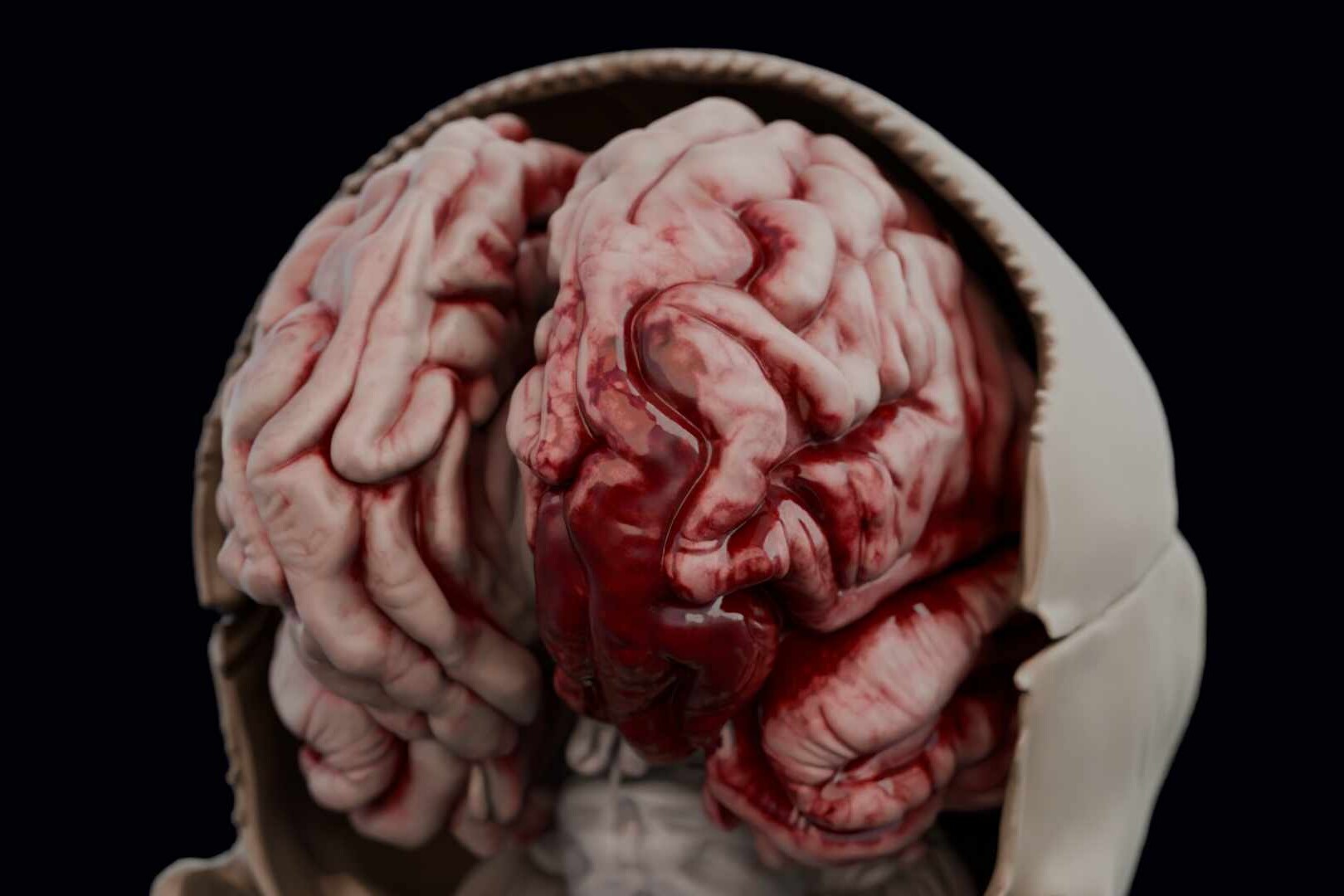
Each type of fall moves the body differently. We animate the one your expert describes, from the first loss of balance to impact. Point of ImpactOutstretched hand, hip, knee or head: where your client's body took the force, and why that matches the injuries in the records. Head StrikesBackward falls and head impacts, with the resulting brain injury, such as a subdural haematoma or contusion, shown from your client's CT and MRI.
Fracture, Surgery & Recovery
From the Break to the Plates and Screws — and What Will Never Fully Heal.
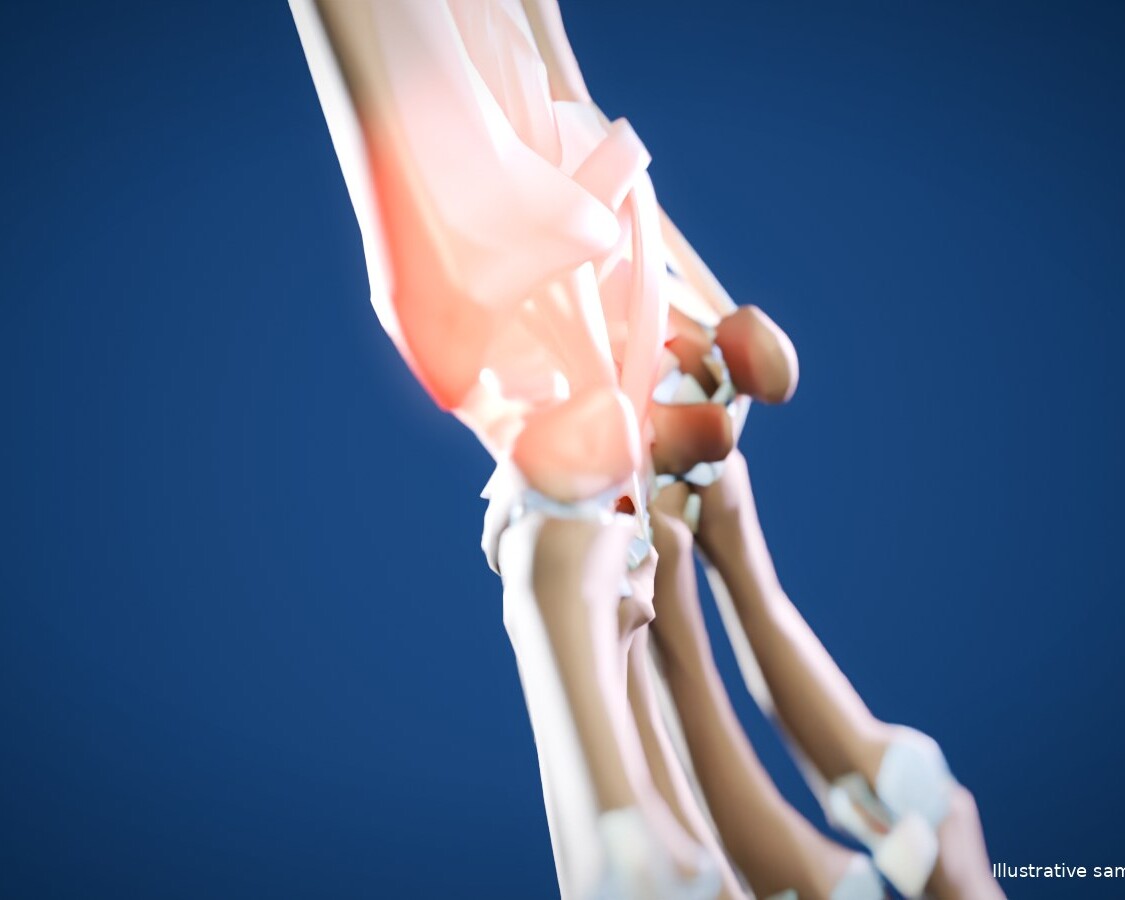
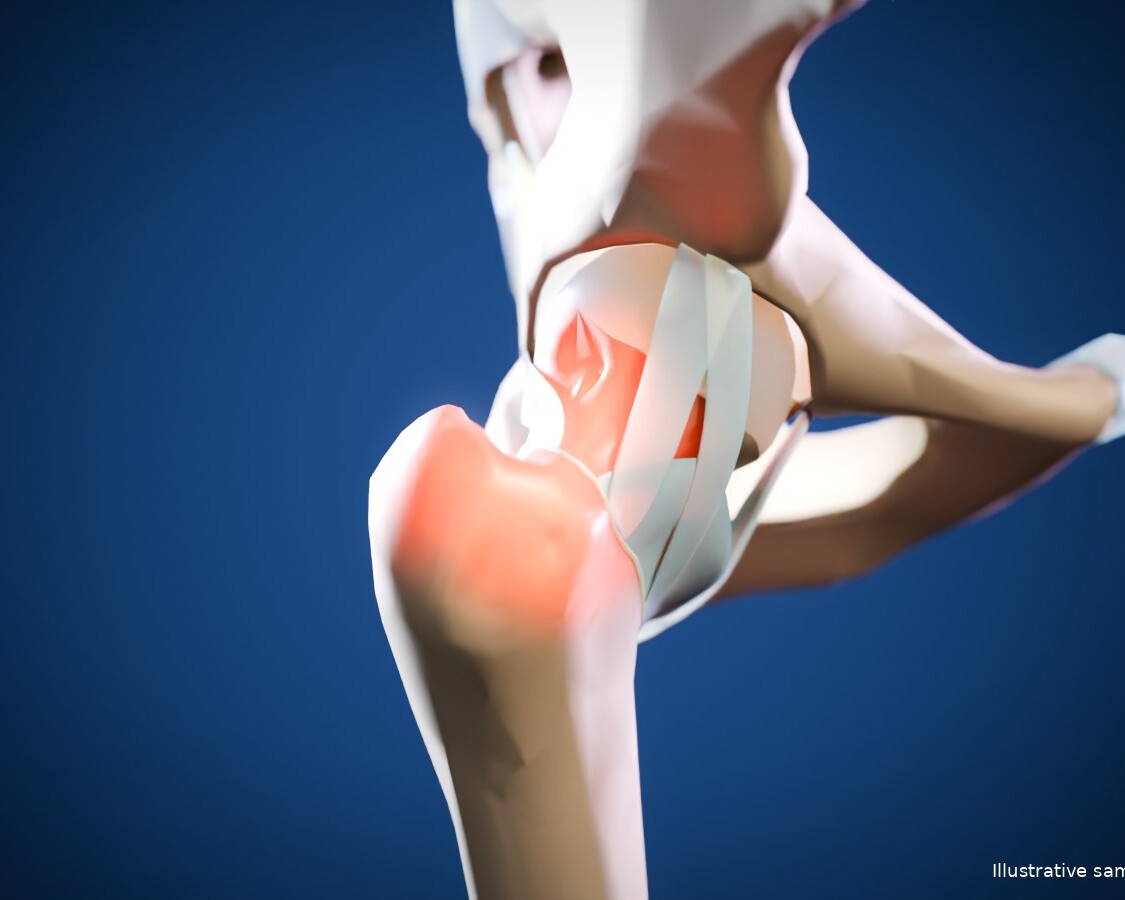
The damages case lives in the imaging. We rebuild the fracture, the repair and what remains from your client's own scans.3D Fracture Reconstruction
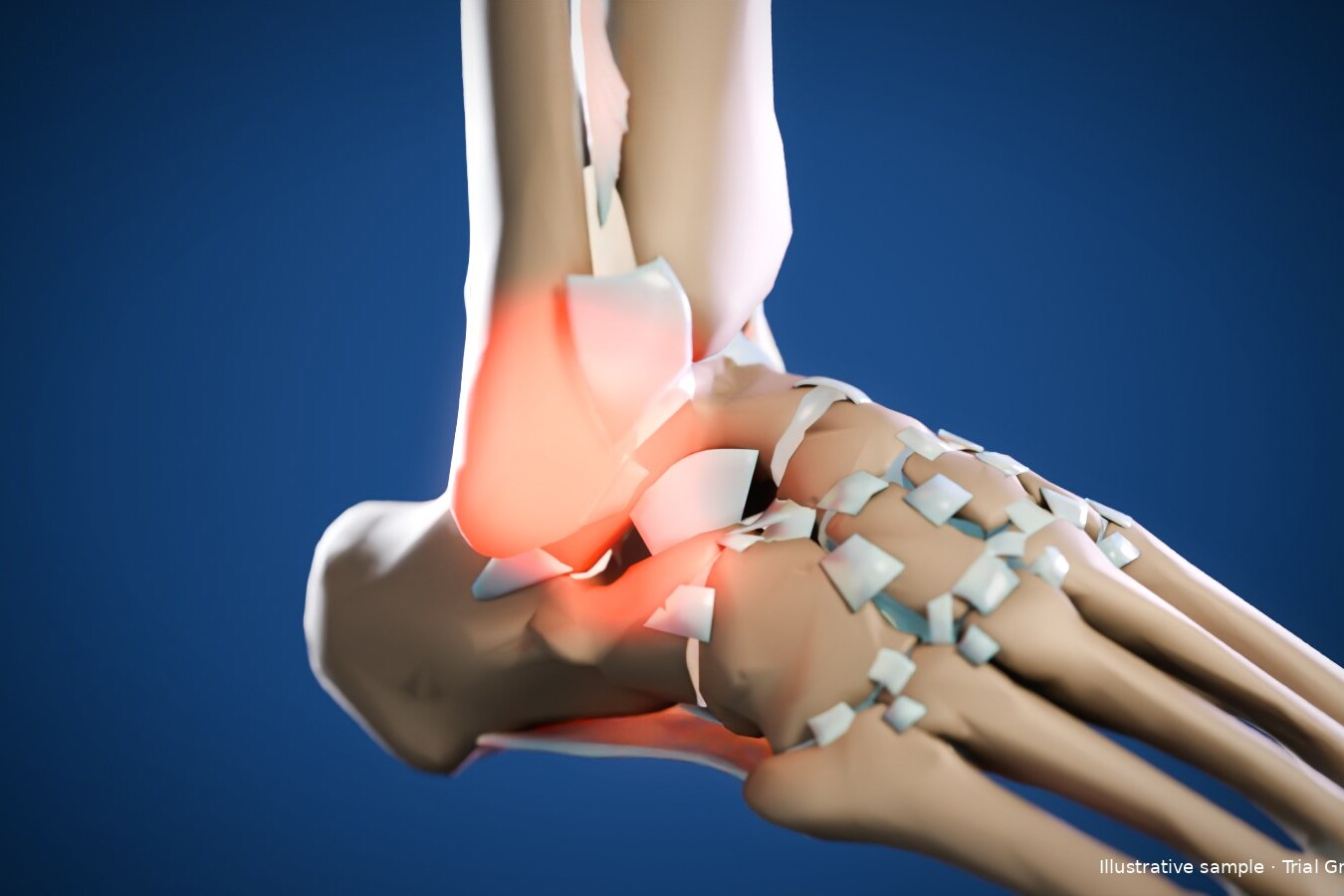
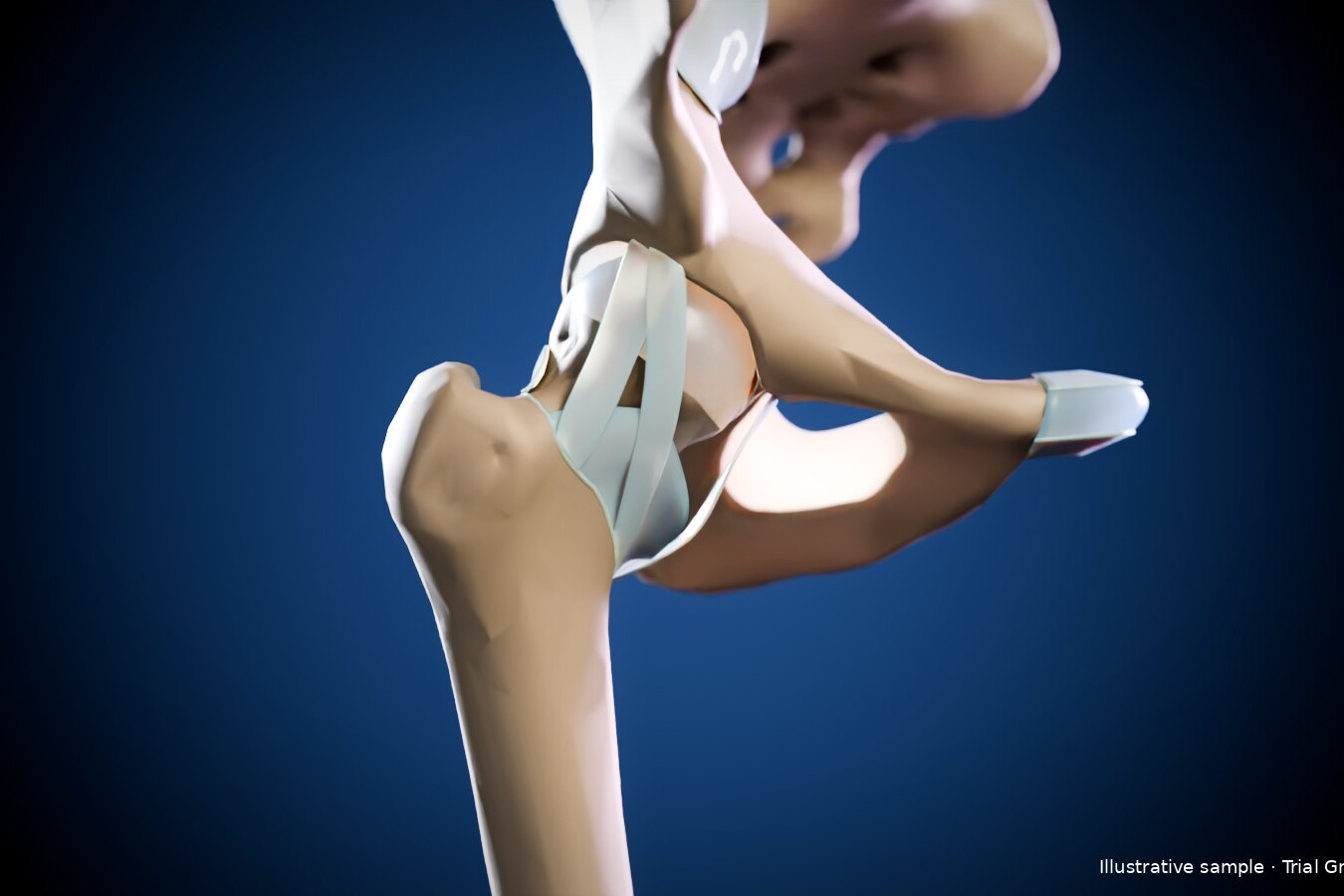
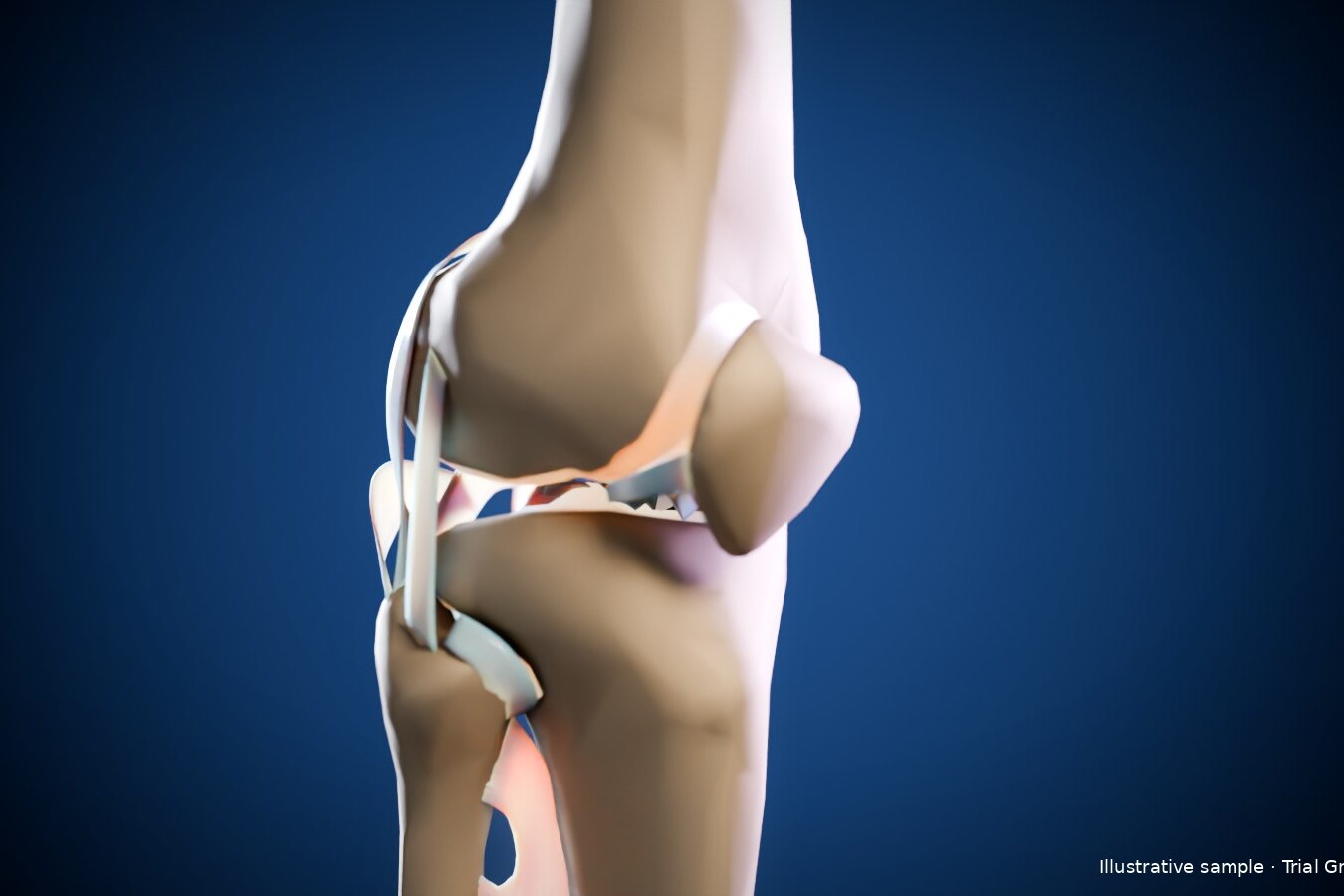
Wrist, hip, ankle, knee and spinal compression fractures rebuilt from your client's CT, with every fragment shown. Surgical RepairPlates, screws, rods and joint replacements animated step by step from the operative reports. Age & Pre-Existing ConditionsWhen the defense blames osteoporosis or arthritis, we compare imaging from before and after the fall to separate the new injury from what was already there.
Every Animation Is Built From Your Actual Case Records — Not Generic Templates.
Unlike generic animations, our demonstratives are reconstructed from the actual clinical record.
Operative Reports
Step-by-step surgical reconstructions from case documentation.
CT & MRI Imaging
Accurate, DICOM-derived 3D reconstructions of patient anatomy and surgical outcomes.
Expert Testimony
Every animation is developed in collaboration with your retained experts and evolves alongside their opinions.
Medical Literature
Science-backed visualizations grounded in peer-reviewed evidence.
Dedicated Medical Experts For Every Case
Dr. Kevin Ho and his own team of medical experts collaborates directly with your experts for scientifically defensible, strategically aligned medical animations.
Technical Alignment
Every visual element is reviewed against expert reports, deposition testimony, imaging findings, and evolving case facts.
Built on Defensible Science
Animations are built using transparent reconstruction techniques that experts can confidently explain and defend.
Litigation-Focused Collaboration
We help translate highly technical medical concepts into clear visual narratives that resonate with judges, mediators, and juries.
We Stay With Your Case From First Filing to Final Verdict.
Injury cases take years. Expert opinions evolve. New imaging comes in. The case theory shifts. We stay engaged for the full life of the case — refining, updating, and adapting your visual evidence at every stage.
Evolving Forensic Models
As new records, imaging, or expert findings emerge, we update the master 3D models to reflect the most current picture of the injury. Your animation never becomes a liability because it was built too early.
Ongoing Litigation & Deposition Support
We build animations to support long-term litigation — not a single courtroom moment. Demonstratives are adapted through discovery, expert depositions, mediation, and trial, keeping testimony consistent from beginning to end.
The Scientific Credibility Your Opposing Experts Will Recognize
Our work is published by the same institutions cited in medical literature and expert reports. That rigor is what makes our animations defensible — not just persuasive.








Why Top Law Firms Partner with Trial Graphics 360
Unmatched experience and clarity for your case's legal animations.
$100M+
Increased settlement value in high-stakes litigation.
Medically-Trained Animators
Board-certified specialists and former UBC professors ensuring medical accuracy for complex litigation.
Scientifically Published
Harvard, Stanford, and pharma-published expertise giving your case a distinct litigation edge.
Long Term Case Support
End-to-end case support, refining visuals as evidence evolves.
Before You Commission an Animation
Two Short Guides for Trial Teams.
Is Your Animation About to Be Excluded? 5 Mistakes to Avoid
The common errors that put demonstrative animations at risk of exclusion, and how to avoid them.
Does Your Case Need Full 3D? Same Injury, Three Budgets
The same injury shown at three budget levels, so you can choose what your case actually needs.
Common Questions About Slip and Fall Animation
Yes. We work from incident photos, reports, measurements, video and witness testimony. Any detail we have to assume is flagged for your expert and labelled in the animation.
Yes. We line the animation up with the footage so the two can be shown together, and fill in the angles the camera didn’t capture.
We show the imaging before and after the fall side by side, so the jury can see what changed. Your medical expert explains what it means; the animation makes it visible.
Yes. Falls from ladders, scaffolds, roofs and loading docks use the same approach: the scene, the fall and the injury.
Incident photos and reports, any video, site measurements or inspection reports, the CT and MRI as DICOM files with radiology reports, operative notes, expert reports, and your deadline.