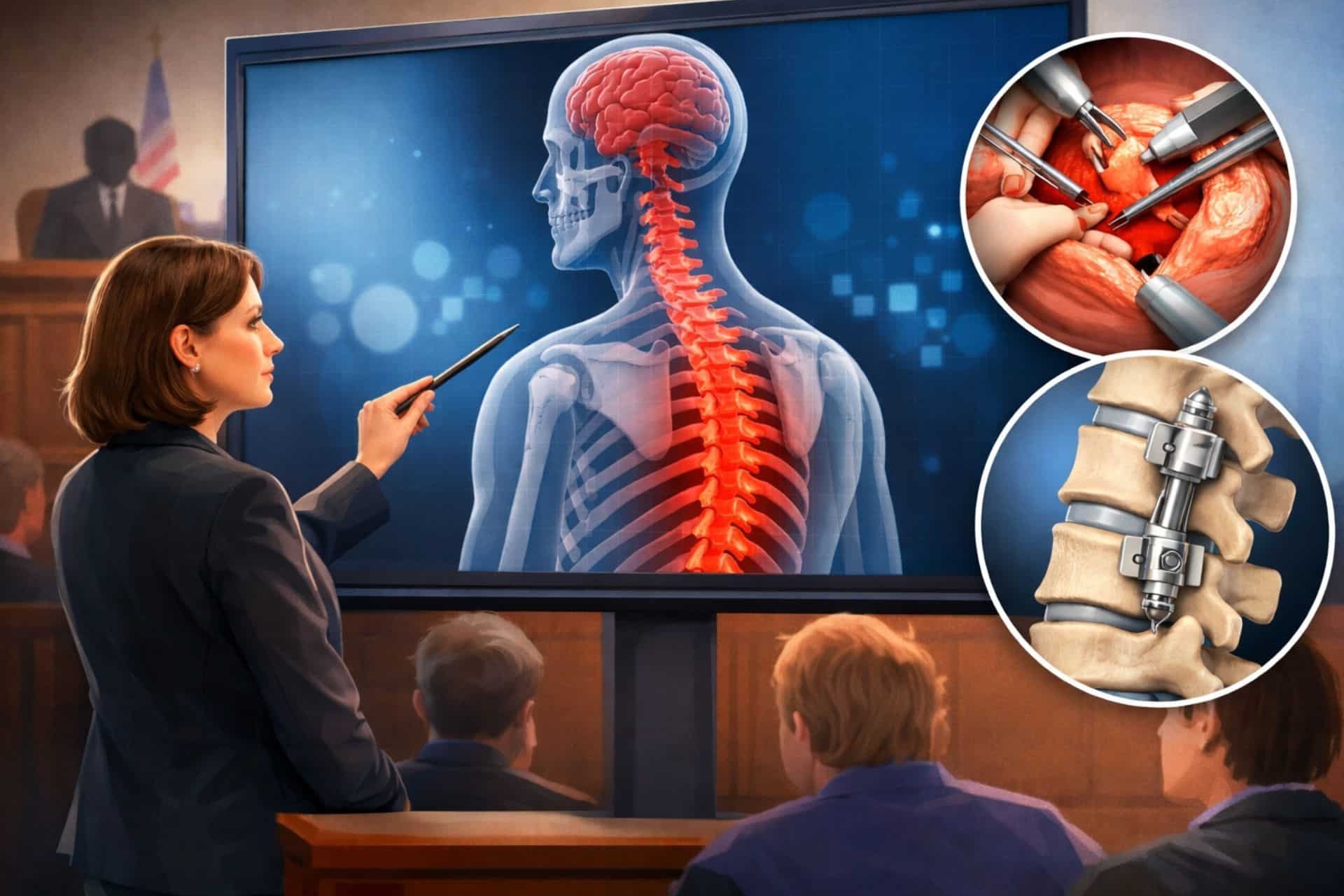


When a case involves serious consequences (high-stakes litigation), like someone’s life being changed forever, being able to explain things with clarity is of utmost importance. Forensic medical animation for legal cases has emerged as one of the most powerful tools to help medical teams achieve that clarity. You need to clarify your case in front of the jury, because if they don’t understand what is happening, it might not matter how strong your case is. And the cases that are most serious are also the ones with the most complicated details.
According to the National Library of Medicine, 88-94% of jurors understood complex technical evidence with 3D visuals compared to 79% with traditional images.
Medical malpractice cases involve surgery techniques, anatomy, and things that went wrong during procedures. Traumatic injury cases require explaining exactly how the body was damaged. But the people on the juries are just regular people with no medical degrees. So how do you explain complicated things like this to someone who has never been in an operating room? It can be really, really tricky if you try to explain everything with just words or still images. This is why forensic medical animation for legal cases has become so valuable. It fills that complex gap between medical facts and what a regular person can understand.
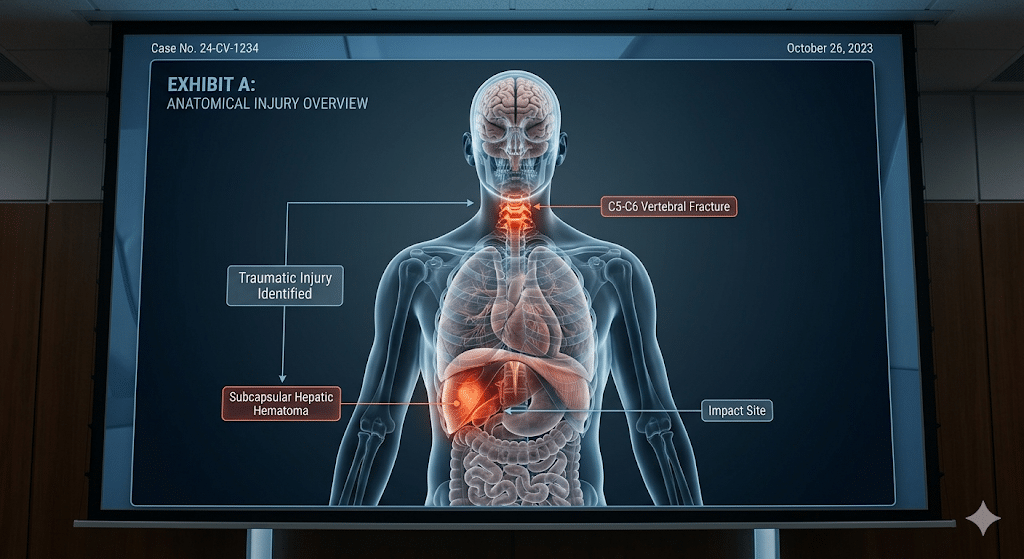
In this blog post, we’ll explore:
- What forensic medical animation is and how it’s created
- The types of legal cases where it makes the biggest impact
- How 3D visualization help juries understand medical evidences
Let’s break down how visual storytelling is changing the way medical evidence is presented in courtrooms today.
What is a Forensic Medical Animation for Legal Cases?
It’s the process of creating scientifically accurate, patient-specific 3D visualisations to reconstruct medical events, injuries or procedures for courtroom presentation. Let’s break that down for you. When a case involves something medical, like a surgery that went wrong or an injury that affected someone’s life. Lawyers need a way to show the jury what happened and what went wrong.
Fun Fact
The human brain is wired to remember visuals far more effectively than text.
People retain up to 65% of information when visuals are combined with verbal explanation, compared to much lower retention with text alone.
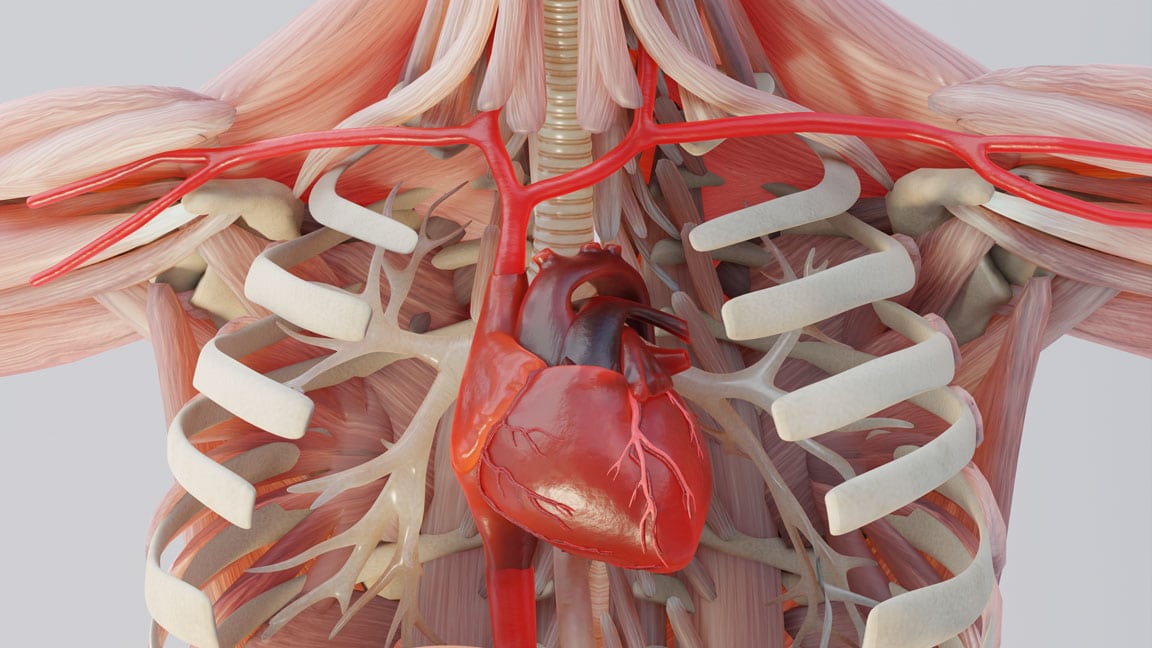
You can’t just bring in a doctor to talk about it and hope everyone is going to understand. Instead, they hire specialists to build a 3D animation that shows what happened. And mind you, it’s not just a generic cartoon. Forensic medical animations are built using the actual medical records and scans from that specific patient. So the animation is scientifically accurate and related to the case.
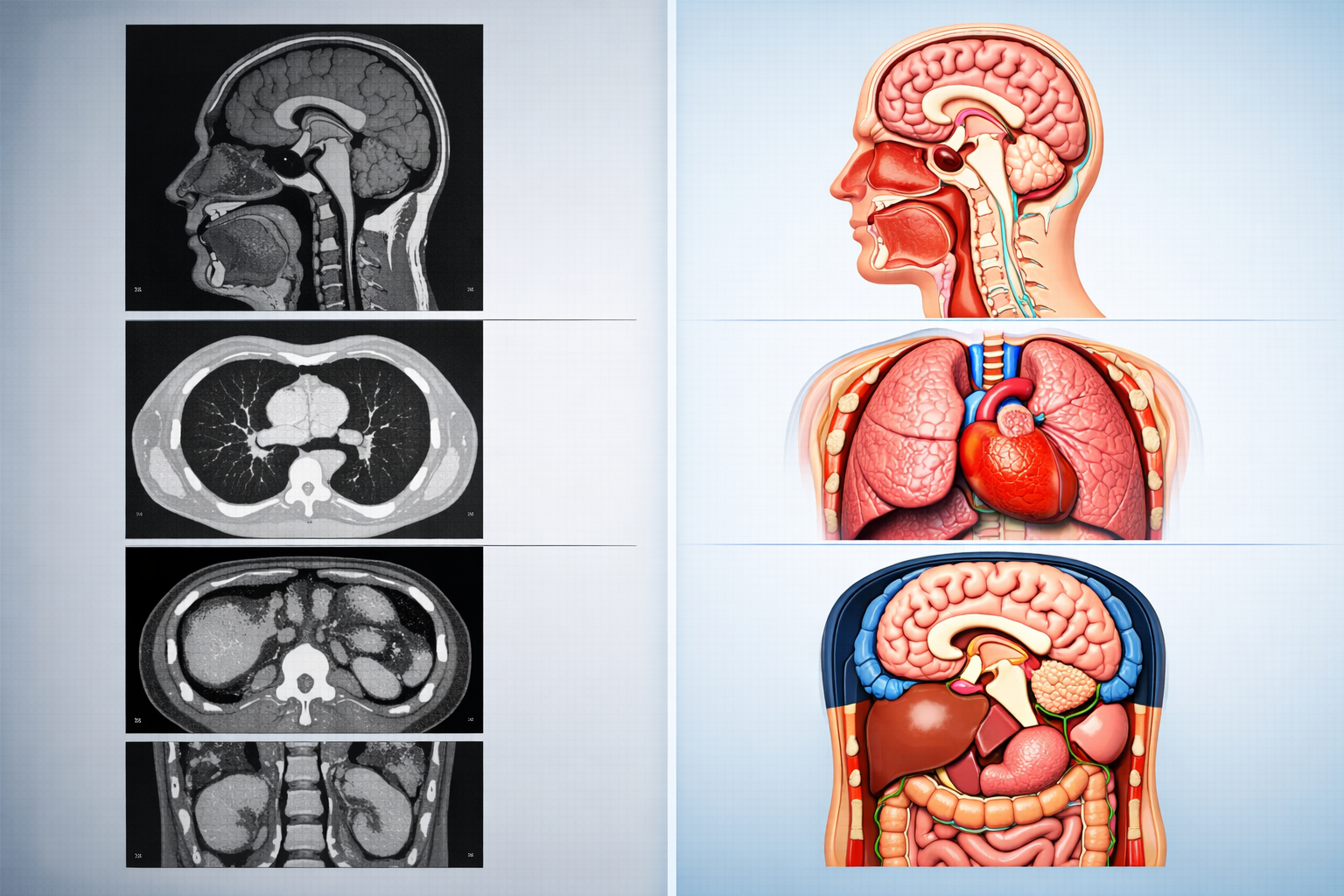
What goes into making these animations:
- MRI & CT scan data (DICOM)
- Clinical notes and expert reports
- Anatomical modeling and simulations
Purpose
- Simplify complex medical evidence
- Show cause and effect
- Make the jury understand
- Strengthen legal arguments
Why Traditional Evidence Doesn’t Work in Courtrooms?
This is the simple truth of medical cases: why they are hard to win. The people sitting in the jury box are common folks. Sometimes they have no medical training, so they might not know what a surgical plane is, or how blood flow works or what nerve damage looks like. Nearly 90% of people struggle with basic literacy, and this number is huge. Something like 9 out of 10 adults don’t have the skills to understand basic medical information.
According to Courtroom Animations, combining visual + verbal information can increase retention by up to 700% compared to text-only explanations.
Doctors use big words that make sense to them but sound like Greek to everyone else. Words like “ iatrogenic” or “anastomotic leak.” Even simple terms like “pulmonary embolism” might as well sound like a different language to those who have never taken a biology class. And when jurors get confused, they might miss the critical parts of the case as they get spaced out.
Medical cases are not only about facts and numbers, but they involve real human lives and someone whose life has been turned upside down. If jurors don’t understand the severity of what happened, they don’t feel the emotional weight of it. And at the end of the day, all of these things affect the case outcome. And the results are:
- Misinterpretation of evidence
- Reduced emotional impact
- Lower case value
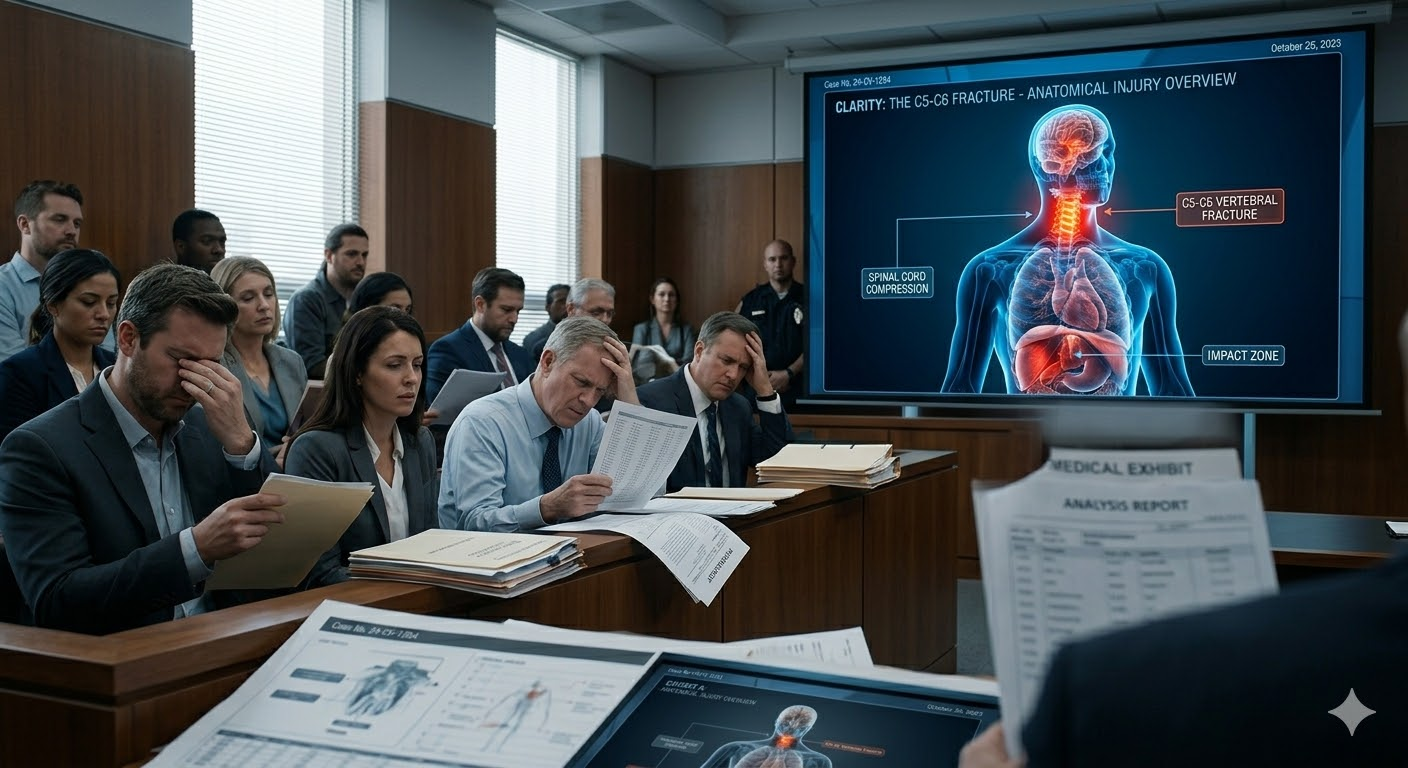
How Forensic Medical Animation Improves Jury Understanding?
So, how are medical animations so effective? It takes something complicated, like how surgery went wrong or how an injury happened and turns it into something anyone can understand just by watching. Now, the jury doesn’t need to remember all the details by heart, but they just need to see what happened, play out in front of them, to make it all make sense.
| Traditional Evidence | Forensic Medical Animation |
| Static images | Dynamic 3D visuals |
| Verbal explanations | Visual storytelling |
| Abstract concepts | Realistic reconstructions |
| Confusion | Clarity |
When jurors understand the case clearly, they are able to make a decision based on the actual facts rather than being confused by the complexity of it all.
Key Use Cases of Forensic Medical Animation for Legal Cases
1. Traumatic Brain Injury (TBI)
- Imaging of axonal shearing.
- Showing internal bleeding
- The illustration of impact forces.
2. Birth Injury Cases
- Hypoxic-Ischemic Encephalopathy (HIE).
- Brachial Plexus injuries
- Delivery complications
3. Surgical Malpractice
- Breakdown of the procedure into stages.
- Determining breach of the normalcy of care.
- Emphasising surgical errors.
4. Medical Device Failure
- Aesthetics of implant failure.
- Migration or breakage of devices.
- Cause-and-effect simulations
Why Law Firms Are Shifting to 3D Medical Evidence
A.) Legal Advantage:
- Forensic medical animation of a legal case may:
- Increase settlement value
- Enhance expert testimony.
- Deliberate better retention of the cases.
- Improve juridical trustworthiness.
B.) Real Impact:
- Multi-million dollar settlements have been associated with legal animation.
- Other companies are quoted as stating that animations are one of the determiners in the verdict.
The Role of Scientific Accuracy (Why It Matters)
Good quality forensic medical animation of legal cases should be:
- Patient-Specific
Based on actual CT/MRI scans
- Clinically Accurate
Vetted by medical practitioners.
- Legally Admissible
Satisfies the Daubert and Frye criteria.
Critical Insight
Irrelevant, non-scientific animations can:
- Be challenged in court
- Reduce credibility
- Harm your case
The Process Behind Forensic Medical Animation
The workflow of a professional usually has the following appearance:
Step-by-Step Process
1. Data Collection
DICOM (CT/MRI scans)
Medical records
2. Segmentation
Separating tissues in terms of density.
3. 3D Reconstruction
Formation of the anatomy of patients.
4. Animation Development
Acts as an injury or procedure simulation.
5. Expert Validation
Reviewed by clinicians
6. Courtroom Presentation
Integrated with testimony
Conclusion
When you strip away all the tech talks, forensic medical animations serve three real purposes. First, it brings clarity; it helps jurors understand what happened without getting lost in the complicated world of medical vocabulary. Second, it adds credibility. When the jury sees an animation built from actual patient scans and medical records, it feels real and trustworthy. Third, it is persuasive; seeing something happen visually is far more convincing than just hearing someone describe it.
Back in the day, a good lawyer relied solely on words or strong arguments. But that’s not enough today; the most effective legal arguments now include words with visuals. Moving forward, the cases that win will be the ones that help jurors see the truth.
So, strengthen your legal cases with evidence that speaks visually. Work with a clinician-led team to create admissible forensic medical animations.
Contact Trial Graphics 360 to schedule a consultation.
Frequently Asked Questions (FAQs)
1. What is forensic medical animation for legal cases?
Forensic medical animation for legal cases is a process of creating scientifically accurate 3D images that recreate injuries, surgeries, or medical events. This process assists in the simplification of complex medical information.
2. How does forensic medical animation help win cases?
Forensic medical animation assists attorneys in winning cases by improving the jury’s comprehension of the injury or event through visual representation of the injury or event. This assists the jury in better comprehending the injury or event, as animations clearly demonstrate the cause-and-effect of an injury or event.
3. Is forensic medical animation admissible in court?
Yes, forensic medical animation can be made admissible in court if it satisfies certain legal prerequisites, including the Daubert or Frye standards. The animation must be scientifically accurate, based on actual medical data, and validated by experts.
4. What types of cases does forensic medical animation typically help with?
Cases involving traumatic brain injuries, birth injuries, surgical malpractice, medical device failures, and orthopaedic trauma cases are significantly helped with forensic medical animation.
5. How is forensic medical animation created?
Forensic medical animation is created by collecting medical data, including images from a CT scan or MRI scans. These scans are first converted into 3D models, and then the injury and procedures are animated later. Then, to ensure the accuracy of these animations, they are validated by experts.