

Medical science is filled with intricate systems, microscopic processes, and complex procedures that are often difficult for non-medical audiences to understand. Explaining an internal injury, a surgical complication, or the progression of a disease through written reports or verbal testimony alone can leave many people confused. In fact, research in visual communication shows that people retain nearly 65 percent of information when it is presented visually, compared with about 10 percent through text alone. This is why visual storytelling has become an essential communication tool in healthcare, education, and legal environments. A professional 3D medical animation agency bridges the gap between complex medical knowledge and clear audience understanding. By transforming clinical data, medical records, and expert insights into dynamic visual narratives, these agencies make complicated medical events easier to see, follow, and remember. In this blog, we’ll discuss the nine essential factors to look for when choosing a 3D medical animation agency, helping you select a partner that ensures accuracy, clarity, and maximum impact.
The Growing Importance of Medical Animation in Communication
Over the past decade, visual communication has become a major tool in medicine, healthcare marketing, and legal proceedings. According to several industry studies, people retain nearly 65 percent of information when it is presented visually, compared with around 10 percent when reading text alone.
Medical animation helps bridge the gap between highly technical information and audience comprehension. For example, explaining a spinal injury or surgical complication using words alone can be confusing. However, when a visual animation demonstrates the anatomy and mechanism of injury step by step, viewers immediately gain clarity.
In legal settings, visual evidence can significantly influence how jurors understand medical testimony. Medical experts may spend hours explaining complex procedures, but a well-crafted animation can communicate the same concept in minutes.
Healthcare companies also rely heavily on animations to demonstrate pharmaceutical mechanisms, surgical techniques, and medical device functions.
As a result, demand for professional medical animation continues to rise. Organizations increasingly seek a specialized 3D medical animation agency capable of producing visuals that are scientifically accurate, visually compelling, and easy to understand.
Understanding what to look for in such an agency is essential before starting any project.
9 Key Factors to Consider When Choosing a 3D Medical Animation Agency
Below are the nine essential factors you should evaluate when selecting a medical animation partner.
1. Medical and Scientific Expertise
Medical accuracy is the foundation of effective medical animation. A reliable 3D medical animation agency must possess deep knowledge of human anatomy, pathology, and medical procedures.
Unlike general animation studios, medical animation studios often collaborate with physicians, surgeons, and biomedical experts to verify scientific accuracy.
For instance, when illustrating a cardiovascular procedure, the animation must correctly represent blood flow patterns, tissue structures, and surgical instruments. Even minor inaccuracies could mislead viewers or reduce credibility.
Research-driven production is essential. A professional 3D medical animation agency typically reviews medical journals, clinical reports, radiology images, and surgical references before starting the animation process.
In medical legal animations, the importance of accuracy becomes even greater. These animations may be used as demonstrative evidence in court, meaning they must precisely represent medical facts.
Agencies with strong medical expertise can translate complex biological systems into clear visual explanations while maintaining strict scientific reliability.
2. Experience in Medical Animation Projects
Experience significantly impacts the quality and efficiency of medical animation production. An experienced 3D medical animation agency has likely handled a wide variety of projects involving complex medical topics.
These projects may include surgical visualizations, pharmaceutical mechanisms of action, injury reconstructions, or medical device demonstrations.
Industry reports suggest that experienced studios can reduce production time by up to 30 percent because they already have established research workflows and anatomical modeling libraries.
Experienced studios also understand how to address common challenges, such as visualizing microscopic biological processes or reconstructing injury mechanisms based on medical records.
Another advantage of experience is storytelling clarity. A seasoned 3D medical animation agency knows how to highlight key moments within a medical sequence, guiding viewers through the narrative without overwhelming them with excessive details.
Reviewing previous projects helps determine whether the agency has experience handling cases similar to yours.
3. High Quality Visual Production
Visual quality plays a major role in how audiences perceive medical information. Studies show that viewers are more likely to trust and engage with high-resolution, realistic visuals compared to basic graphics.
A professional 3D medical animation agency uses advanced software and rendering technologies to produce detailed anatomical models and lifelike animation sequences.
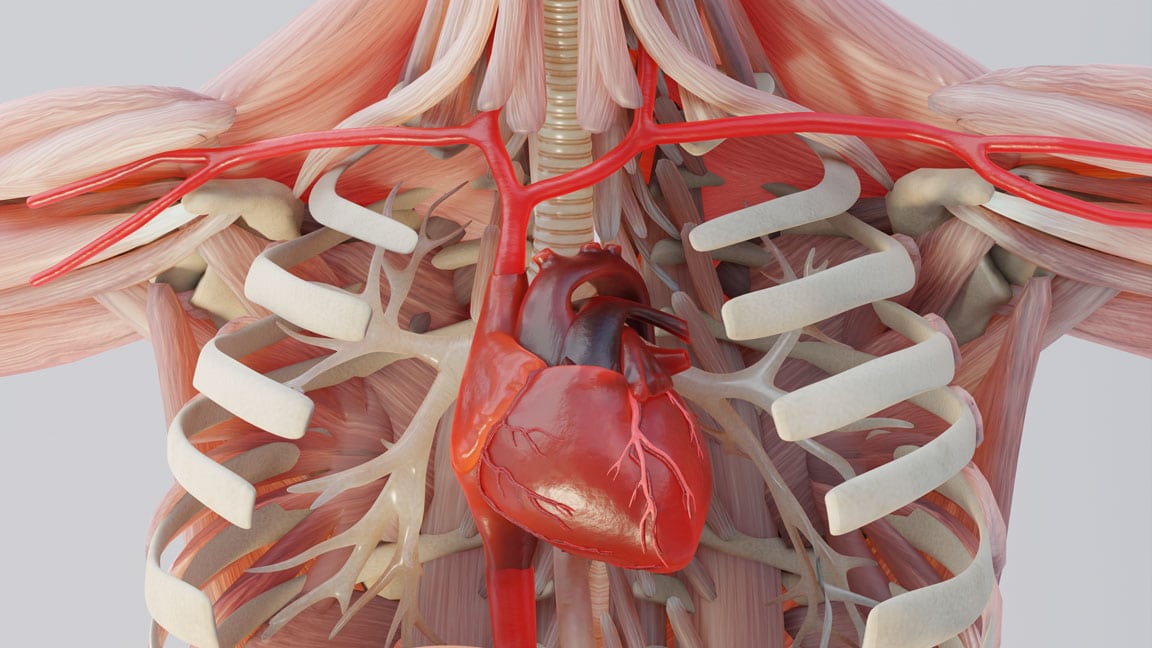
High-quality medical animation typically includes precise muscle textures, accurate bone structures, realistic lighting effects, and smooth motion simulation.
For example, when illustrating a joint injury, the animation should clearly show cartilage layers, ligament movement, and joint mechanics. These details help viewers understand the medical condition in a realistic context.
Advanced rendering technology also improves visual depth and clarity. A skilled 3D medical animation agency ensures that every frame is designed to maintain both scientific detail and visual clarity.
This level of realism significantly improves audience comprehension and engagement.
4. Strong Storytelling and Communication
Medical animation is not just about creating visually appealing graphics. It is about communicating a clear and structured narrative.
A skilled 3D medical animation agency focuses on storytelling techniques that guide viewers through complex medical concepts step by step.
For example, an animation explaining a traumatic brain injury might begin with normal brain anatomy, followed by the impact event, and then illustrate the resulting internal damage.
This structured approach helps viewers understand cause and effect relationships.
Research in cognitive science shows that visual storytelling improves information retention by helping viewers connect concepts logically.
A professional 3D medical animation agency carefully designs each animation to emphasize key moments while maintaining a smooth narrative flow.
Clear storytelling ensures that audiences not only see the visuals but also fully understand the medical message being presented.
5. Customization and Project Flexibility
Every medical animation project has unique goals and audiences. Some projects focus on patient education, while others aim to persuade juries or explain medical devices to investors.
A reliable 3D medical animation agency provides customized animation solutions rather than using generic templates.
Customization may involve adjusting visual style, anatomical detail level, or presentation format, depending on the target audience.
For example, animations created for patient education may use simplified visuals, while legal animations require highly detailed anatomical accuracy.
Industry experts emphasize that tailored visuals significantly improve audience comprehension and engagement.
A flexible 3D medical animation agency can adapt the project as new information becomes available or as client requirements evolve during production.
This adaptability ensures that the final animation effectively meets communication objectives.
6. Collaborative Production Process
Medical animation production involves collaboration between multiple professionals, including attorneys, doctors, researchers, and visual artists.
A professional 3D medical animation agency follows a structured workflow that allows clients to review and refine the animation throughout the production process. Typical production stages include research, script development, storyboarding, 3D modeling, animation, and final rendering. During each stage, feedback is collected and incorporated to ensure the animation aligns with the project goals. Studies in visual communication suggest that collaborative workflows improve project accuracy and reduce costly revisions.
A reliable 3D medical animation agency values open communication and transparency, ensuring that all stakeholders remain involved throughout the development process.
This collaborative approach results in animations that are both scientifically accurate and strategically effective.
7. Legal Visualization Expertise
Medical animations are increasingly used in litigation to clarify medical evidence. Jurors often struggle to understand complicated medical testimony without visual support. A specialized 3D medical animation agency with legal experience understands how to present medical information clearly within courtroom environments. These animations may demonstrate injury mechanisms, surgical complications, or treatment outcomes.
For example, an animation illustrating a spinal cord injury might show how trauma disrupted nerve pathways and caused neurological damage.
Legal experts report that visual demonstrations can significantly improve juror comprehension of medical evidence.
A knowledgeable 3D medical animation agency ensures that the animation aligns with expert testimony and medical records, making it a powerful courtroom communication tool.
8. Technical Capabilities and Innovation
Technology continues to transform the field of medical visualization. Modern animation studios use sophisticated software and computing systems to create highly detailed medical visuals.
A technologically advanced 3D medical animation agency stays updated with emerging tools and techniques.
These technologies may include advanced rendering engines, high-resolution anatomical modeling, and motion simulation systems that replicate biological movement.
Some studios also integrate medical imaging data, such as CT scans or MRI data, into their models, improving anatomical accuracy.
Innovative visualization methods allow viewers to explore complex structures from multiple perspectives.
A forward-thinking 3D medical animation agency uses technology not only to enhance visual realism but also to improve educational clarity and audience engagement.
9. Reputation and Client Testimonials
Reputation reflects the reliability and quality of an animation studio. A well-respected 3D medical animation agency often has a strong portfolio, positive client feedback, and long-term professional relationships.
Client testimonials provide valuable insight into the agency’s communication style, production quality, and ability to meet deadlines.
Industry recognition, awards, and repeat clients are also indicators of credibility.
Organizations often prefer agencies with proven success in delivering complex medical visualization projects.
Choosing a reputable 3D medical animation agency reduces risk and increases confidence that the final animation will meet professional standards.
Why Trial Graphics 360 Is a Premier 3D Medical Animation Agency?
When legal professionals and organizations require precise medical visualization, Trial Graphics 360 stands out as a premier 3D medical animation agency dedicated to excellence.
At Trial Graphics 360, we combine advanced animation technology with deep medical research to create compelling visual explanations that simplify complex medical concepts.
Our team works closely with attorneys, medical experts, and litigation teams to analyze medical records, imaging data, and expert testimony before beginning production.
This collaborative approach ensures that every animation accurately represents the medical facts while clearly communicating the case narrative.
I. Scientific Accuracy and Medical Detail
As a leading 3D medical animation agency, we prioritize scientific accuracy in every project. Our production process includes extensive medical research and expert validation to ensure anatomical precision. By carefully studying medical literature and clinical data, we create animations that accurately represent injuries, surgical procedures, and disease progression.
II. Advanced Animation Technology
At Trial Graphics 360, we use state-of-the-art animation software and rendering technologies to produce highly realistic medical visuals. Our animations feature detailed anatomical modeling, smooth motion simulation, and high-resolution rendering that captures even the most intricate biological processes.
This level of visual quality allows juries, judges, and audiences to clearly understand complex medical information.
III. Customized Visual Solutions
Every case is unique. That is why we provide fully customized animation solutions tailored to the specific needs of each legal team. From injury reconstructions to surgical visualizations, our animations are designed to support expert testimony and strengthen courtroom presentations.
IV. Clear Communication That Persuades
Our mission as a premier 3D medical animation agency is to transform complicated medical evidence into clear visual narratives that help legal professionals communicate with confidence. By combining scientific accuracy, powerful storytelling, and advanced technology, we help attorneys present medical evidence in a way that juries can easily understand. When clarity, credibility, and visual impact matter most, Trial Graphics 360 delivers medical animations that make a difference.
Conclusion
Selecting the right 3D medical animation agency is essential for anyone who needs to communicate complex medical information clearly and effectively. From scientific expertise and visual production quality to storytelling ability and technological innovation, each factor plays a critical role in determining the success of a medical animation project. A well-produced animation can simplify intricate medical concepts, improve audience understanding, and strengthen presentations in educational, healthcare, and legal settings. By carefully evaluating experience, credibility, and production capabilities, organizations can ensure they partner with the right experts. At Trial Graphics 360, we combine medical accuracy, advanced technology, and powerful visual storytelling to deliver compelling animations. Our team is committed to helping clients present complex medical information with clarity, credibility, and persuasive visual impact. Contact us today!
Frequently Asked Questions (FAQs)
Q-1. What does a 3D medical animation agency do?
Ans: A 3D medical animation agency creates scientifically accurate visual animations that illustrate medical conditions, surgical procedures, injuries, or biological processes to help audiences better understand complex medical information.
Q-2. Why are medical animations useful in legal cases?
Ans: Medical animations visually demonstrate injuries, treatments, and medical events. These visuals simplify complex testimony, helping juries understand technical medical evidence and making courtroom presentations clearer and more persuasive.
Q-3. How accurate are professional medical animations?
Ans: Professional animations are developed using medical research, expert consultations, and clinical references. This ensures that anatomical structures, procedures, and biological processes are accurately represented in the final animation.
Q-4. Who commonly uses medical animation services?
Ans: Medical animation services are widely used by law firms, hospitals, pharmaceutical companies, medical device manufacturers, educational institutions, and healthcare marketers to explain complex medical concepts effectively.