


Legal cases that involve medical evidence are often complex, technical, and difficult for juries to fully understand. Judges, jurors, and attorneys may struggle to interpret complicated surgical procedures, traumatic injuries, or medical device failures using only written reports or verbal testimony. In 2026, modern visualization technology is transforming how these cases are presented in court. One of the most powerful tools used today is 3D medical animations for legal cases. These animations translate medical data, imaging scans, and expert testimony into highly detailed visual narratives that help juries clearly understand what happened inside the human body. By combining medical accuracy with cinematic storytelling, these visualizations make complicated medical concepts easier to grasp.
This article explores how 3D medical animations for legal cases are being used in modern litigation, why they are so persuasive, and how they are reshaping courtroom communication in 2026.
The Growing Complexity of Medical Litigation
Medical litigation has become increasingly sophisticated over the past two decades. Many cases involve detailed clinical evidence, such as:
- Surgical procedures
- Traumatic injuries
- Neurological damage
- Medical device failures
- Diagnostic errors
- Long-term physiological damage
Medical records often include thousands of pages of documentation. These records may contain radiology reports, operative notes, pathology findings, and expert witness testimony.
For legal professionals and jurors without medical training, understanding these documents can be overwhelming. Even highly experienced attorneys may find it difficult to explain complicated biological processes in a way that is clear and persuasive.
This is where 3D medical animations for legal cases provide a critical advantage. They convert medical data into visual explanations that illustrate injuries, procedures, and mechanisms of damage with exceptional clarity.
What are 3D Medical Animations for Legal Cases?
3D medical animation is a digital visualization technique that recreates human anatomy and medical events using computer-generated models. These animations are developed using real clinical information such as MRI scans, CT imaging, surgical records, and expert analysis.
When used in litigation, 3D medical animations for legal cases reconstruct events inside the body to show exactly how an injury or medical error occurred.
These animations can demonstrate:
- The progression of traumatic injuries
- Surgical techniques and potential errors
- The failure of implanted medical devices
- The impact of external forces on the body
- The development of neurological damage
By showing these processes visually, juries can understand cause and effect relationships that would otherwise be extremely difficult to explain verbally.
Why Visual Evidence Persuades Juries?
Human beings process visual information far more effectively than written or spoken explanations. Research in cognitive science consistently shows that visual learning improves comprehension, retention, and decision making.
In a courtroom setting, jurors must absorb large volumes of information within a limited timeframe. When complex medical evidence is presented only through testimony or documentation, important details may be misunderstood or forgotten.
3D medical animations for legal cases address this problem by presenting evidence in a format that aligns with how people naturally learn.
Visual demonstrations help jurors:
- Understand anatomical relationships
- See the mechanism of injury
- Follow the sequence of medical events
- Connect expert testimony with physical evidence
Instead of imagining what happened, jurors can actually see it unfold through accurate medical visualization.
Types of Legal Cases That Use Medical Animations
Many different types of litigation now rely on 3D medical animations for legal cases to clarify medical evidence. These visualizations are particularly useful in cases where the injury mechanism is complex or disputed.
1. Surgical Malpractice
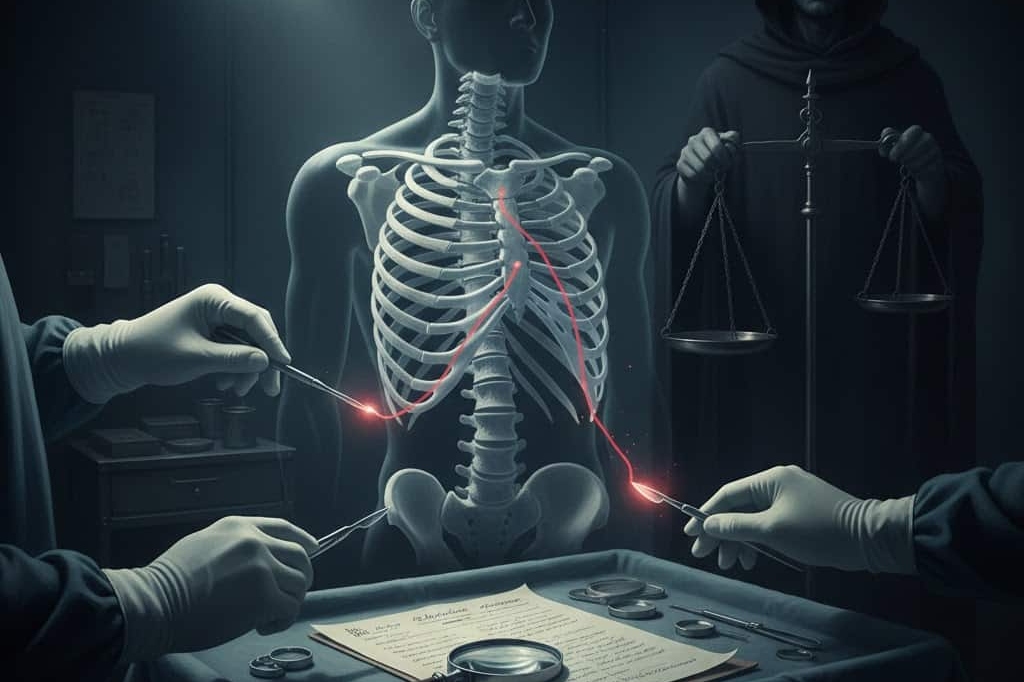
Surgical malpractice cases often require juries to understand intricate procedures performed inside the body. These procedures may involve delicate anatomical structures that are difficult to explain using static diagrams.
Animations can recreate the surgical environment and demonstrate:
- Correct surgical technique
- Deviations from accepted medical practice
- Damage to nerves or organs
- The long term consequences of surgical mistakes
By illustrating each step of the procedure, juries gain a clear understanding of what went wrong.
2. Traumatic Brain Injury Cases
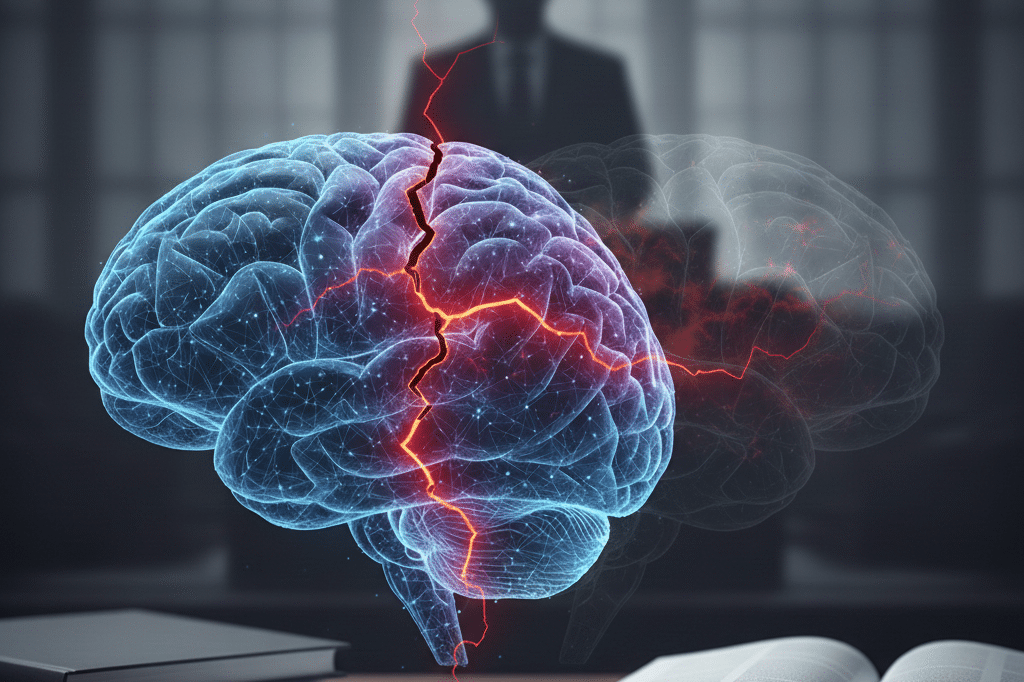
Traumatic brain injuries are among the most complicated medical conditions to explain in court. Brain trauma often involves microscopic damage that cannot easily be seen on standard imaging.
Using 3D medical animations for legal cases, experts can visualize how external forces impact the skull and brain tissue.
Animations can demonstrate:
- Rapid acceleration and deceleration injuries
- Rotational forces that cause axonal damage
- Brain swelling and pressure buildup
- Long-term neurological impairment
These visual explanations help jurors understand how seemingly minor accidents can cause serious brain damage.
3. Medical Device Liability
Defective or improperly designed medical devices can cause significant harm. However, explaining exactly how a device failed can be extremely technical.
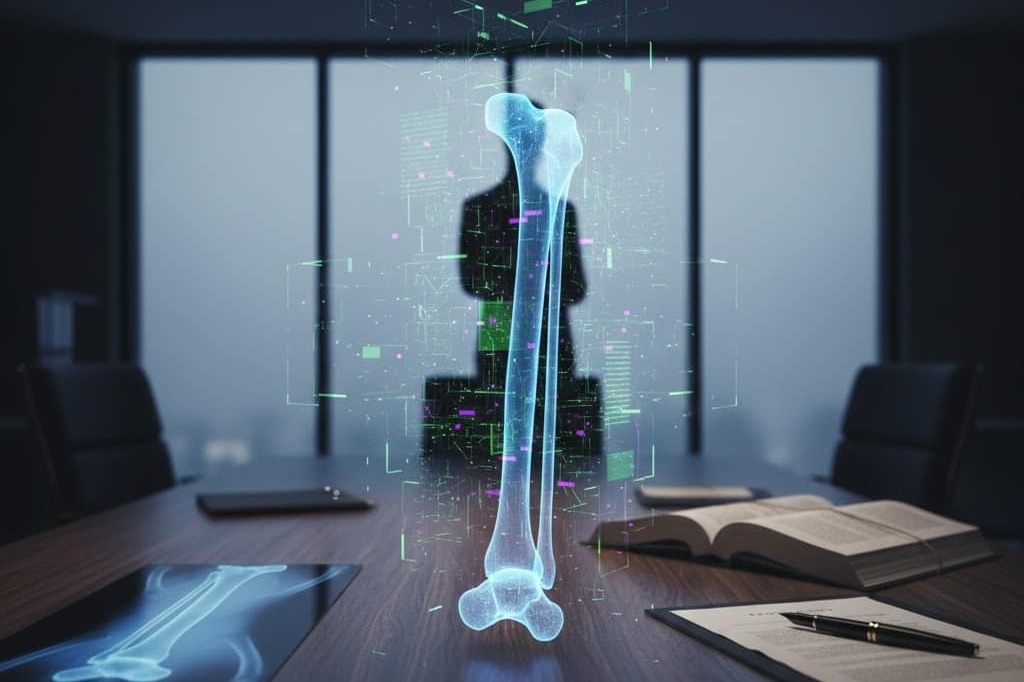
Animations allow attorneys to illustrate the internal mechanics of devices such as:
- Artificial joints
- Cardiac implants
- Surgical instruments
- Spinal hardware
Through 3D medical animations for legal cases, juries can see how a device was intended to function and how design flaws or manufacturing defects led to injury.
How Medical Animations Are Created
Producing accurate medical animations requires collaboration between multiple experts.
The process typically involves:
1. Case Review
Medical illustrators begin by studying the case materials, including medical records, imaging scans, and expert witness reports.
Every animation must be based on verifiable clinical evidence.
2. Anatomical Modeling
Using specialized software, artists construct detailed digital models of human anatomy. These models must match real anatomical structures with scientific accuracy.
Muscles, bones, nerves, and organs are recreated using precise measurements derived from medical references.
3. Event Reconstruction
Next, the animation team recreates the medical event itself. This may include the motion of surgical instruments, the forces involved in an accident, or the mechanical behavior of a medical device.
The goal is to illustrate the sequence of events that led to injury.
4. Expert Validation
Before an animation is used in court, medical experts review it carefully. Physicians verify that the visualization accurately represents the medical facts and aligns with accepted scientific understanding.
This validation ensures that 3D medical animations for legal cases remain credible and admissible in legal proceedings.
Courtroom Advantages of Medical Animations
Attorneys increasingly rely on 3D medical animations for legal cases because they offer several strategic advantages during litigation.
I. Improved Clarity
Animations simplify complicated medical concepts so jurors can understand them without specialized training.
II. Stronger Expert Testimony
Medical experts can use animations to support their explanations, making testimony more engaging and easier to follow.
III. Enhanced Jury Retention
Jurors remember visual presentations more effectively than spoken testimony alone.
IV. Faster Case Resolution
Clear visual evidence can accelerate negotiations and settlement discussions because all parties better understand the facts.
The Role of Technology in 2026
Technological advancements have dramatically improved the realism and scientific accuracy of medical animations.
Modern tools now allow creators to incorporate:
- Real patient imaging data
- Advanced physics simulations
- High-resolution anatomical textures
- Real-time surgical motion modeling
These innovations ensure that 3D medical animations for legal cases are not only visually impressive but also medically precise.
Artificial intelligence tools also assist animators by analyzing imaging data and helping reconstruct anatomical structures more quickly.
As technology continues to evolve, the quality and effectiveness of medical legal visualizations will only improve.
Ethical and Scientific Standards
Because these animations can significantly influence jury perception, strict ethical guidelines must be followed.
Medical animations used in litigation must:
- Be grounded in scientific evidence
- Avoid exaggeration or speculation
- Clearly reflect expert testimony
- Accurately represent anatomy and pathology
Responsible creators ensure that 3D medical animations for legal cases function as educational tools rather than dramatic storytelling devices.
When produced correctly, they serve as objective visual explanations of medical facts.
The Future of Visual Evidence in Legal Practice
The legal industry is rapidly embracing visual communication. As courtroom technology evolves, attorneys increasingly integrate digital presentations into their case strategies.
Future developments may include:
- Interactive courtroom visualizations
- Virtual reality injury reconstructions
- Real-time anatomical simulations during testimony
- Personalized patient specific models derived from imaging scans
These advancements will further expand the role of 3D medical animations for legal cases in helping courts understand complex medical evidence.
Visual storytelling is becoming an essential component of effective legal advocacy.
Trial Graphics 360: Advancing Medical Litigation Visualization!
In today’s high-stakes legal environment, accurate and compelling visual evidence can significantly impact case outcomes. This is where Trial Graphics 360 stands out as a trusted leader in medical litigation visualization.
At Trial Graphics 360, we specialize in creating precise and persuasive 3D medical animations for legal cases that transform complicated medical information into clear visual narratives. Our work is directed by a University of British Columbia professor and supported by a team of highly skilled medical illustrators and forensic visualization experts.
Our medical visualizations have been featured in leading research institutions, including Harvard and Sanofi, demonstrating the scientific credibility behind our work.
Our core forensic services include visualizations for surgical malpractice cases, traumatic brain injury litigation, and medical device liability disputes. Each project is developed with clinical precision and rigorous attention to detail.
Our award-winning animations help attorneys present complex medical evidence in a way that juries can clearly understand. With a proven track record that includes a 95 percent settlement rate and litigation outcomes exceeding one hundred million dollars in value, we are proud to support legal teams across global litigation.
At Trial Graphics 360, our mission is simple. We transform medical complexity into visual clarity so attorneys can present the truth with confidence. Contact us today!